"I don't feel like myself."
If you've said those words — or thought them in the quiet of 3am when you can't sleep for no reason you can name — this is for you.
You're snapping at the people you love. Your weight is shifting despite doing everything right. Your brain feels foggy. Your anxiety is up. Your period is unpredictable. You've Googled your symptoms, fallen down a rabbit hole of influencers and supplements and conflicting advice, and come out more confused than when you started. You've maybe even asked your doctor, only to be told your tests are normal and you're fine.
You are not fine. And you are not alone. What you're experiencing may be perimenopause — and most women have no idea it's even happening to them.
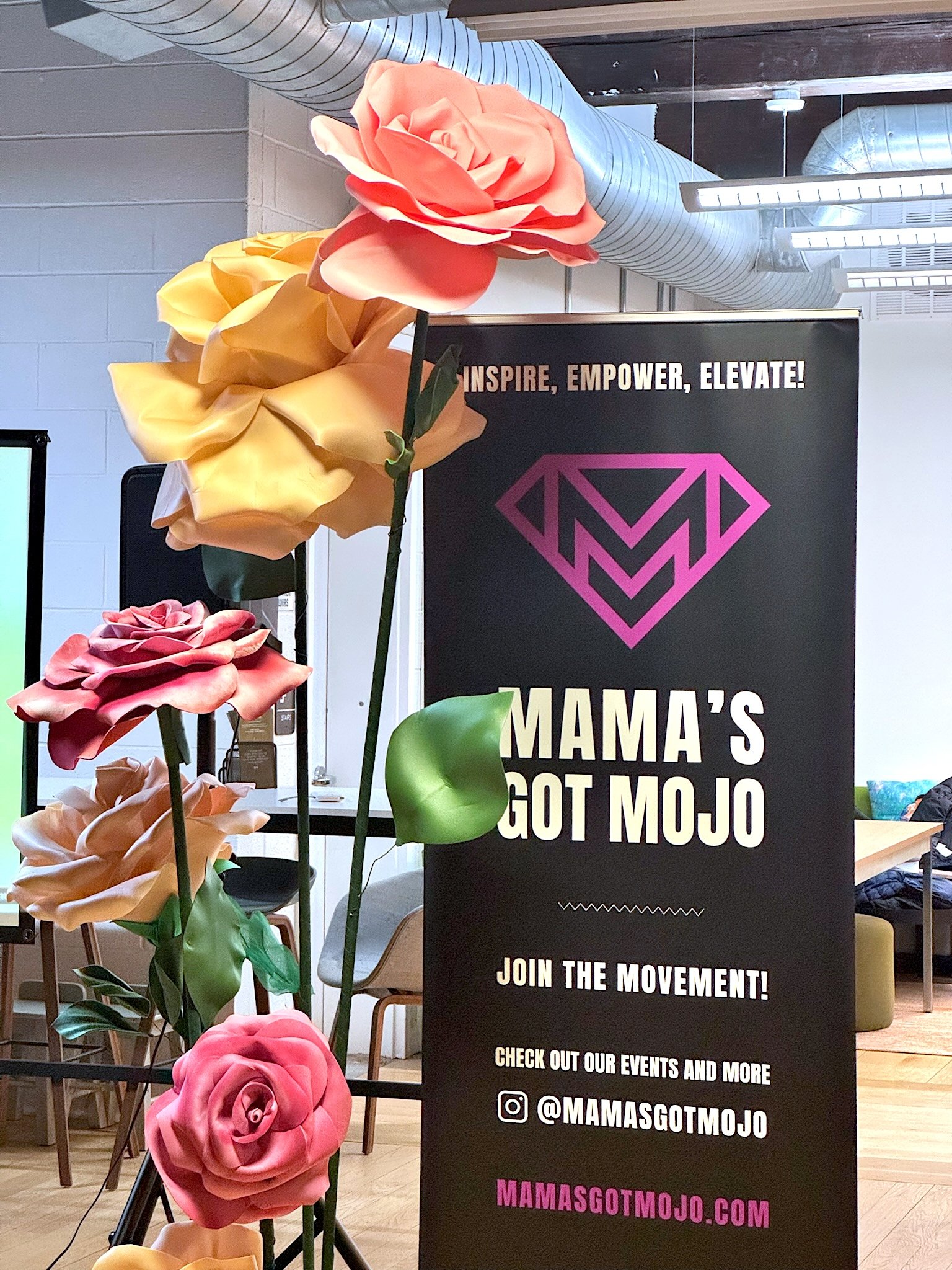
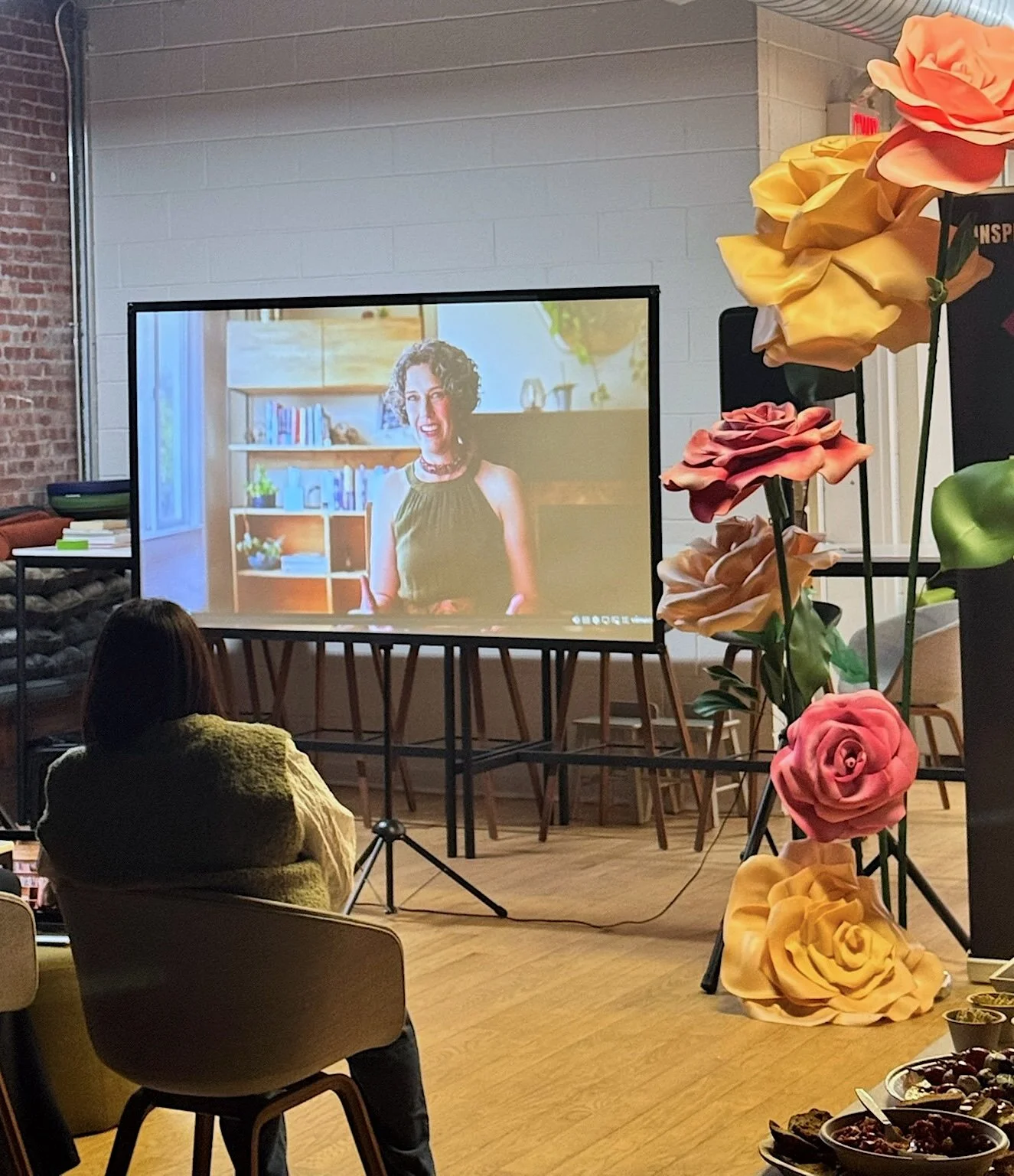
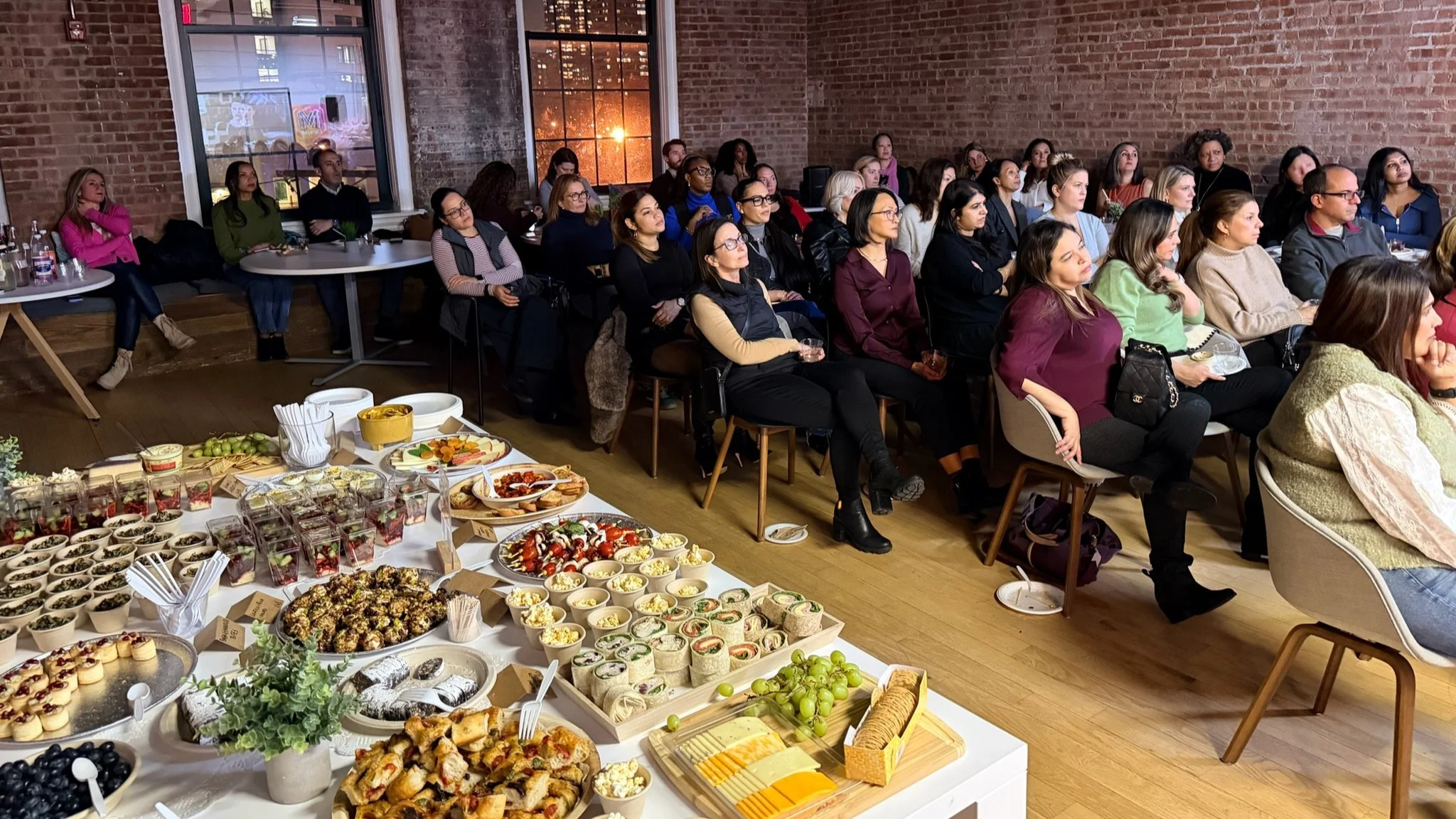
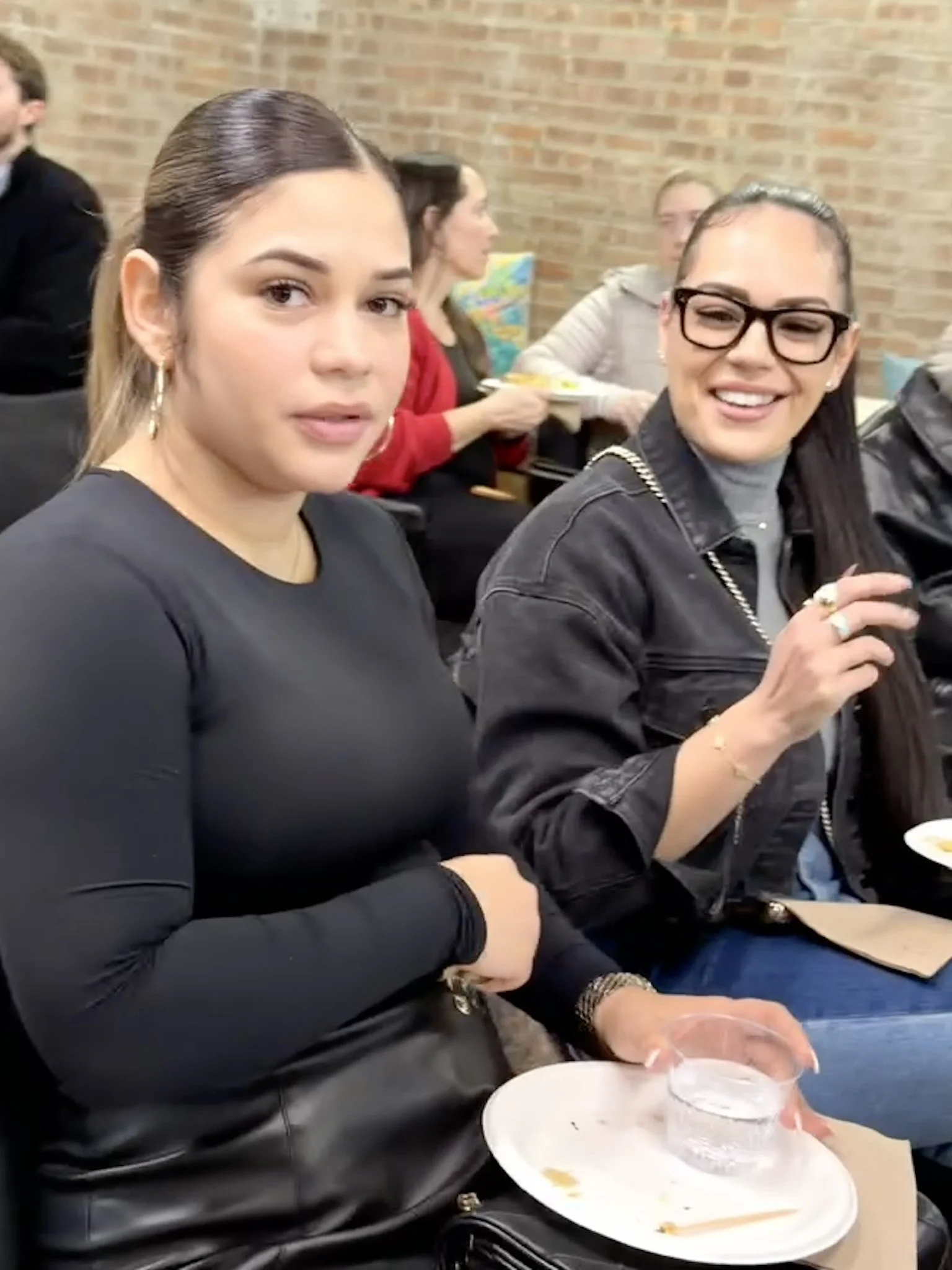
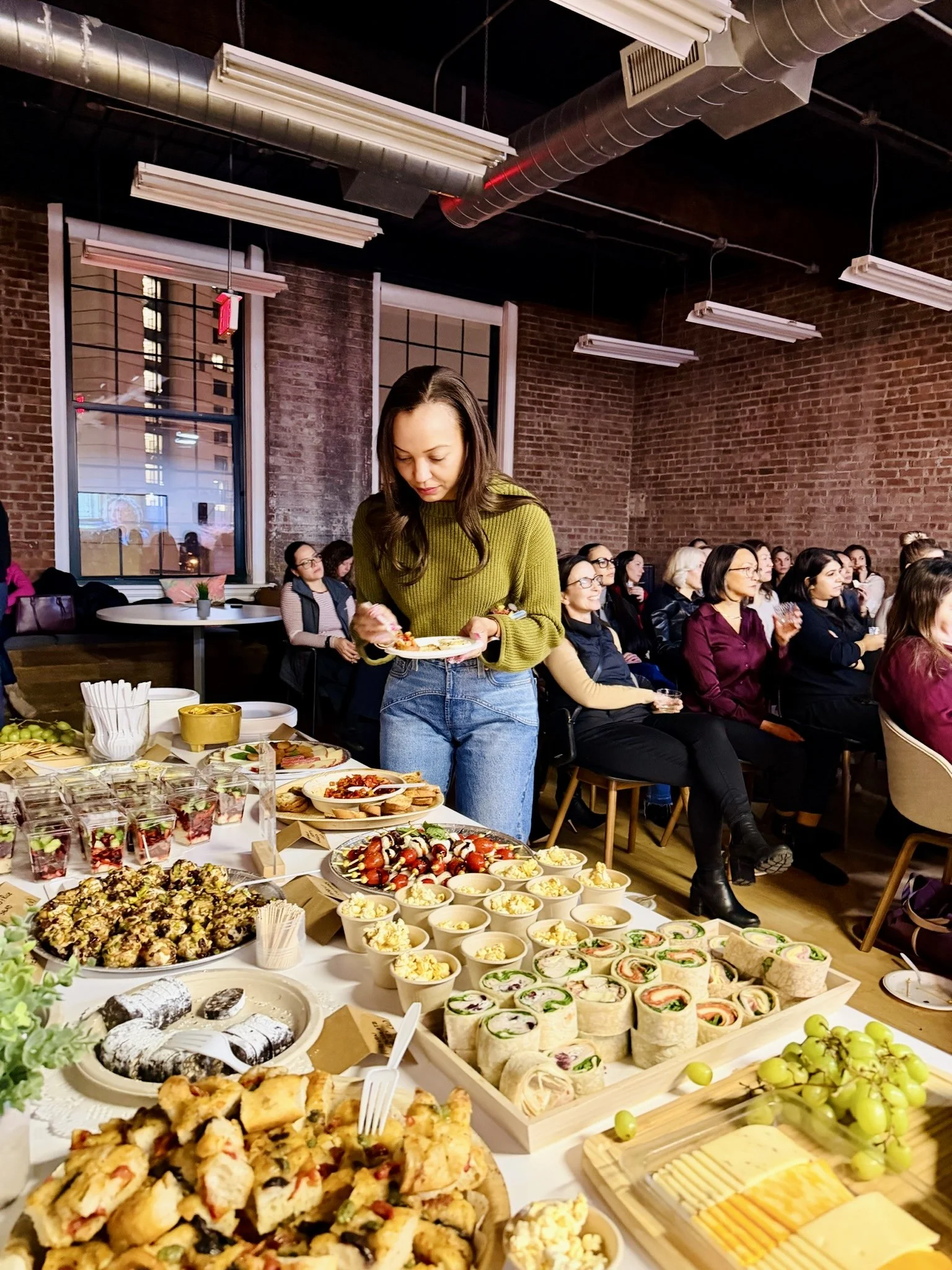
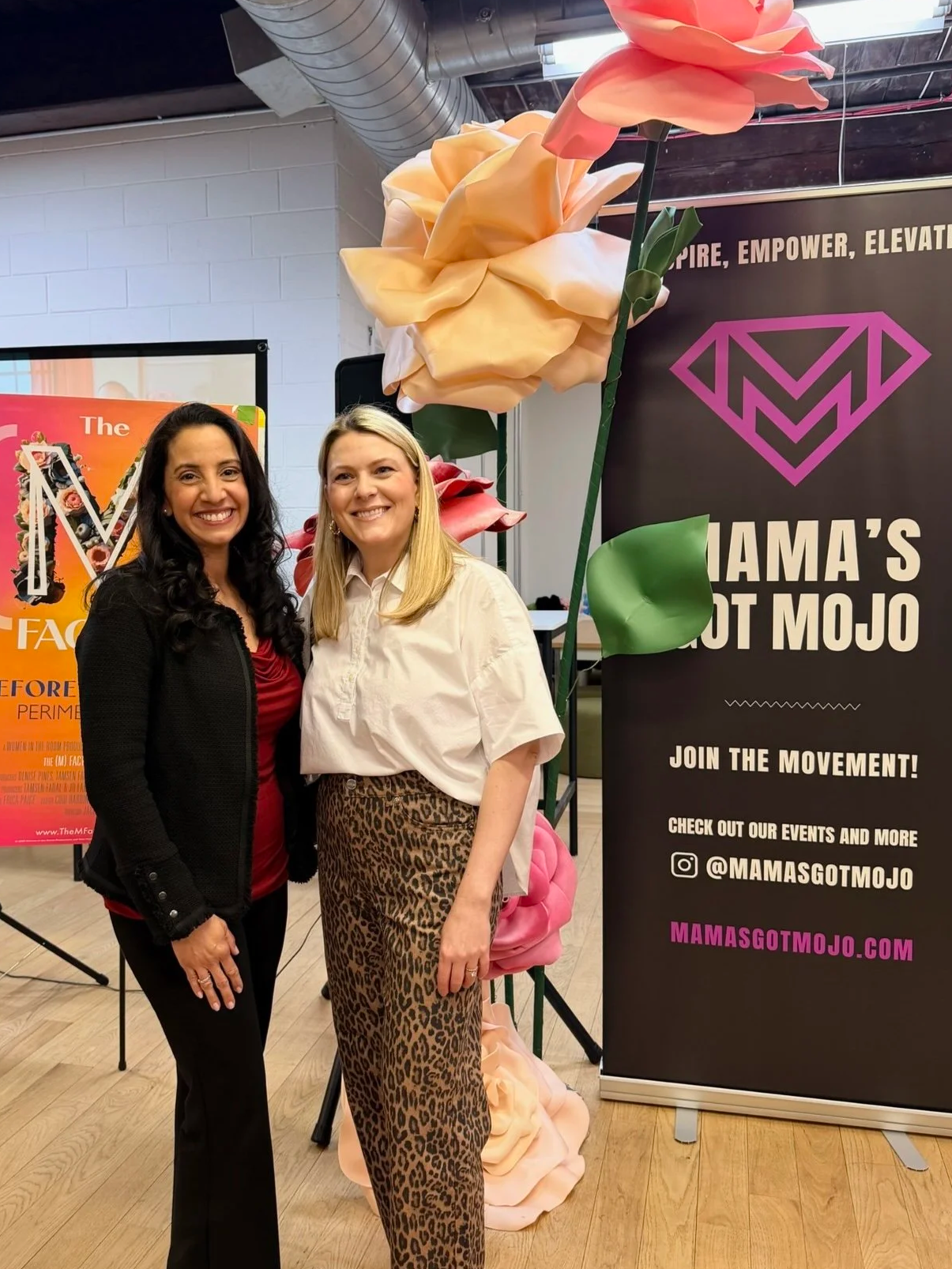
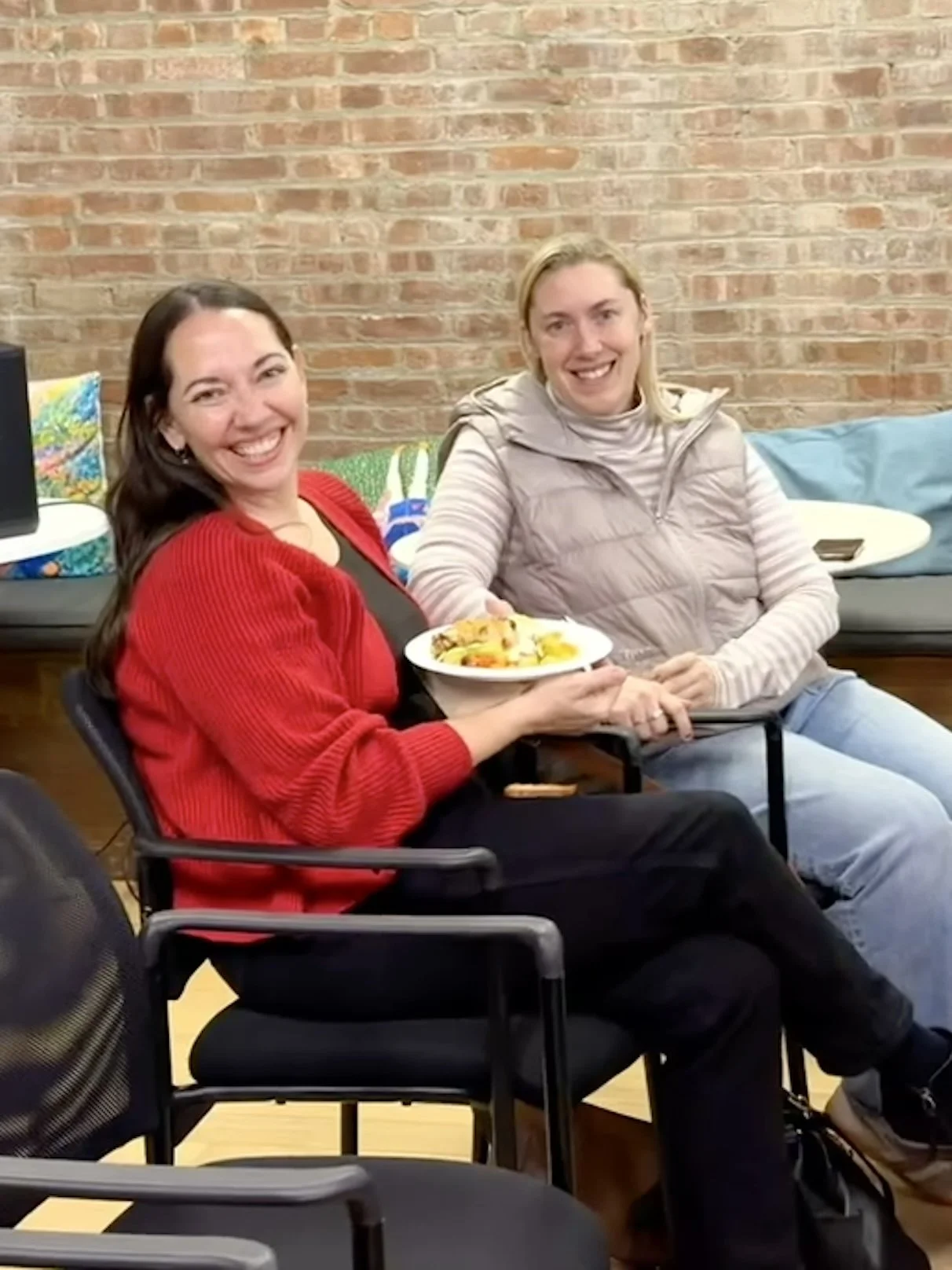
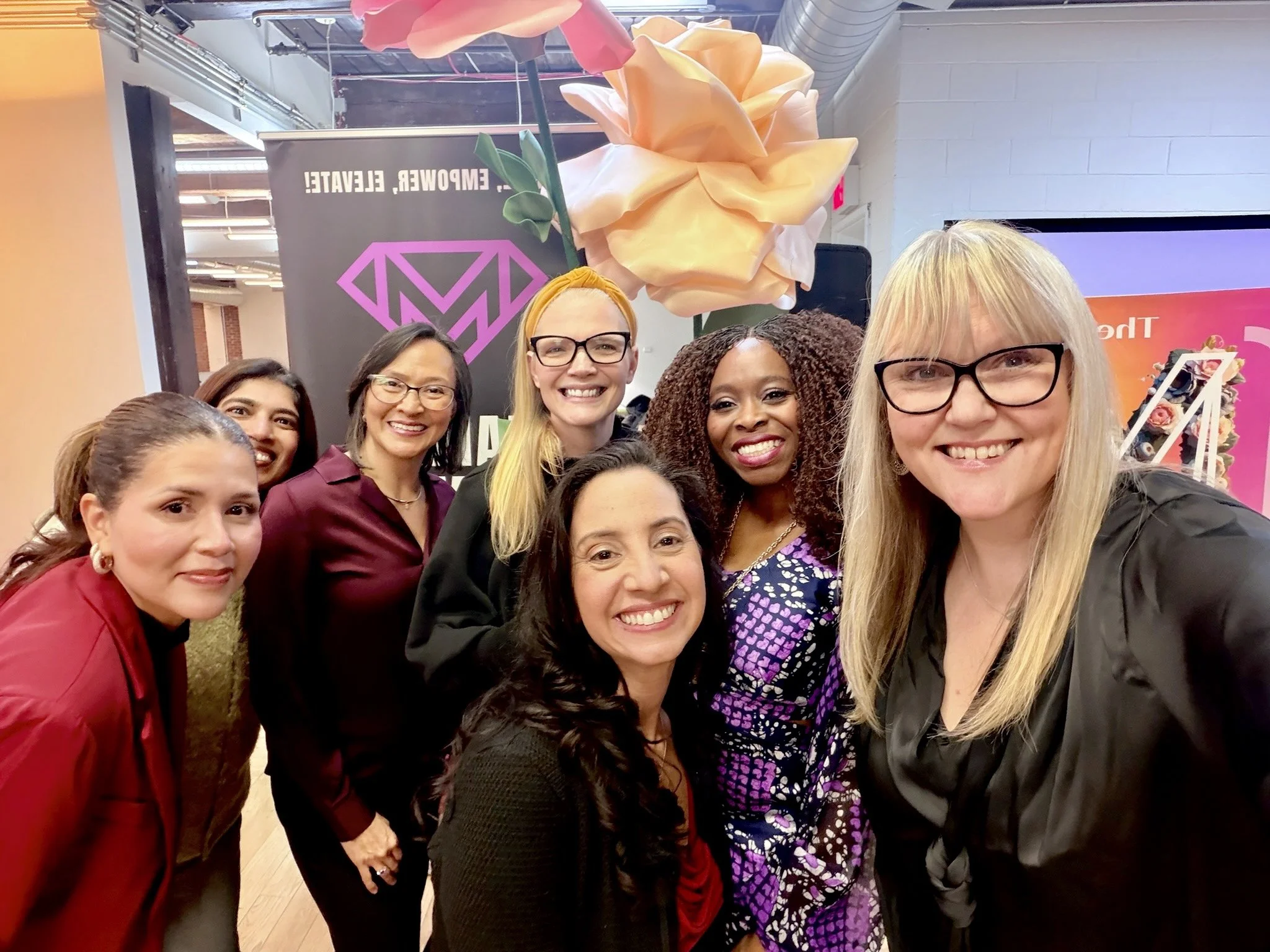
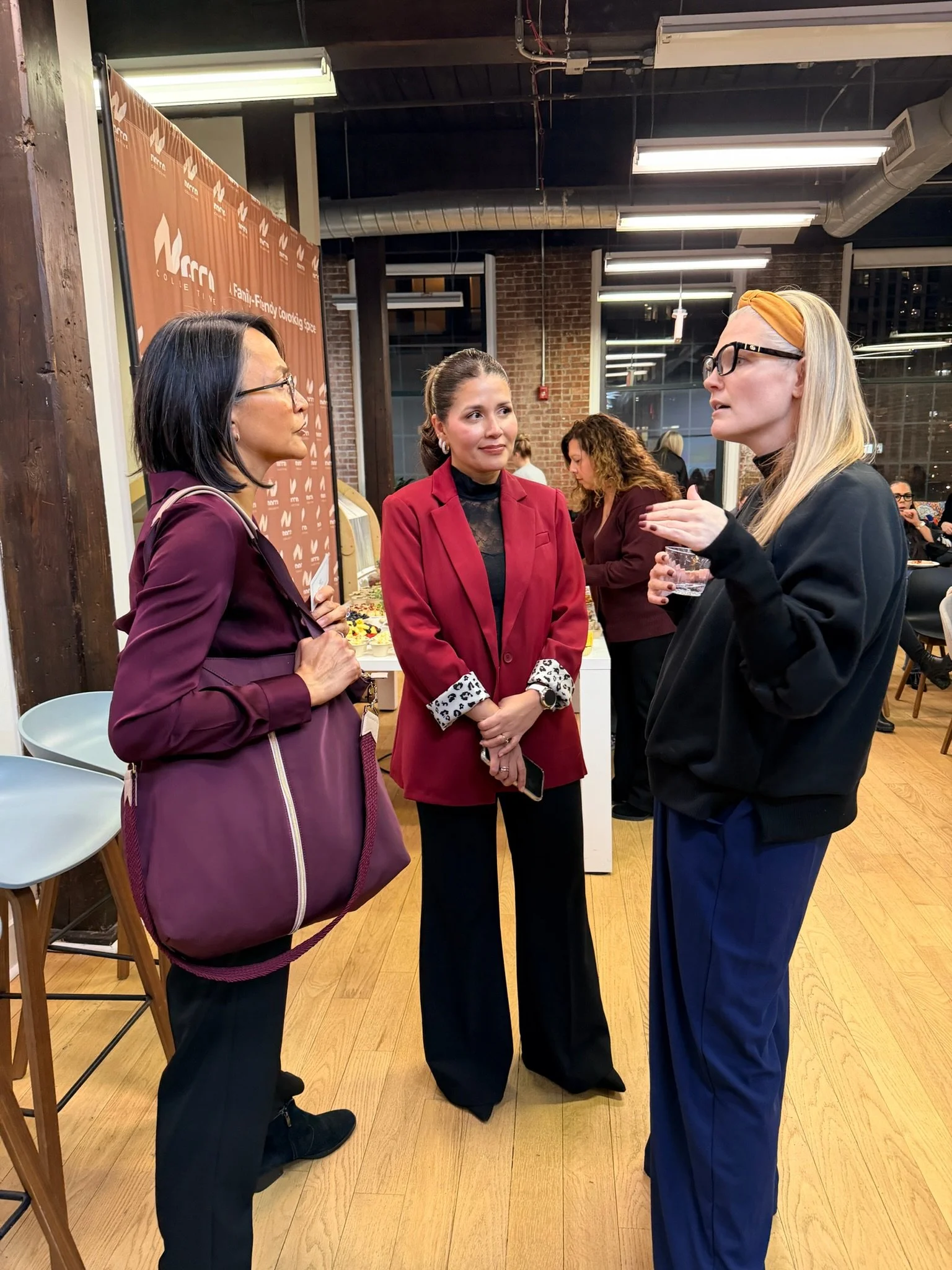
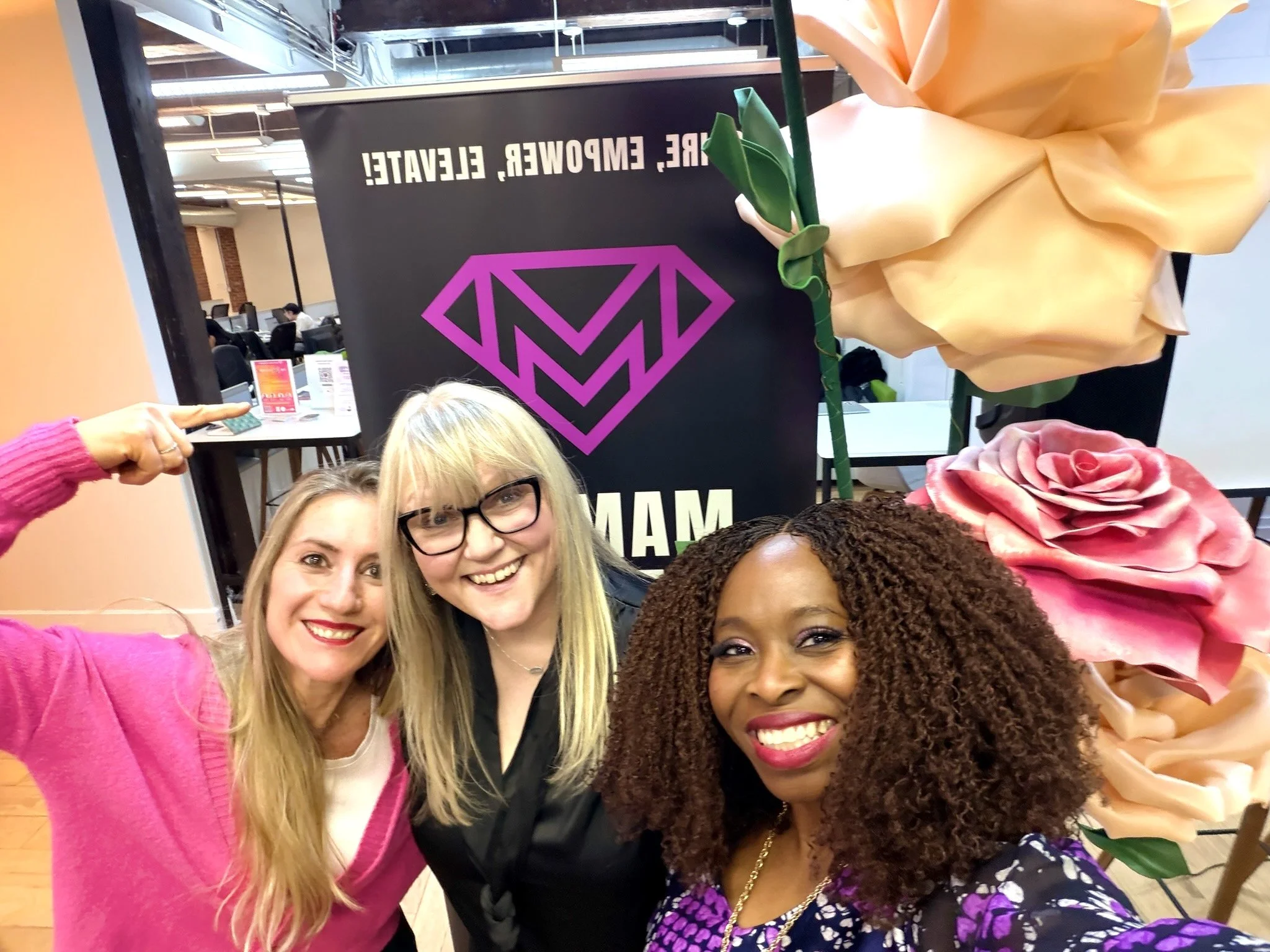
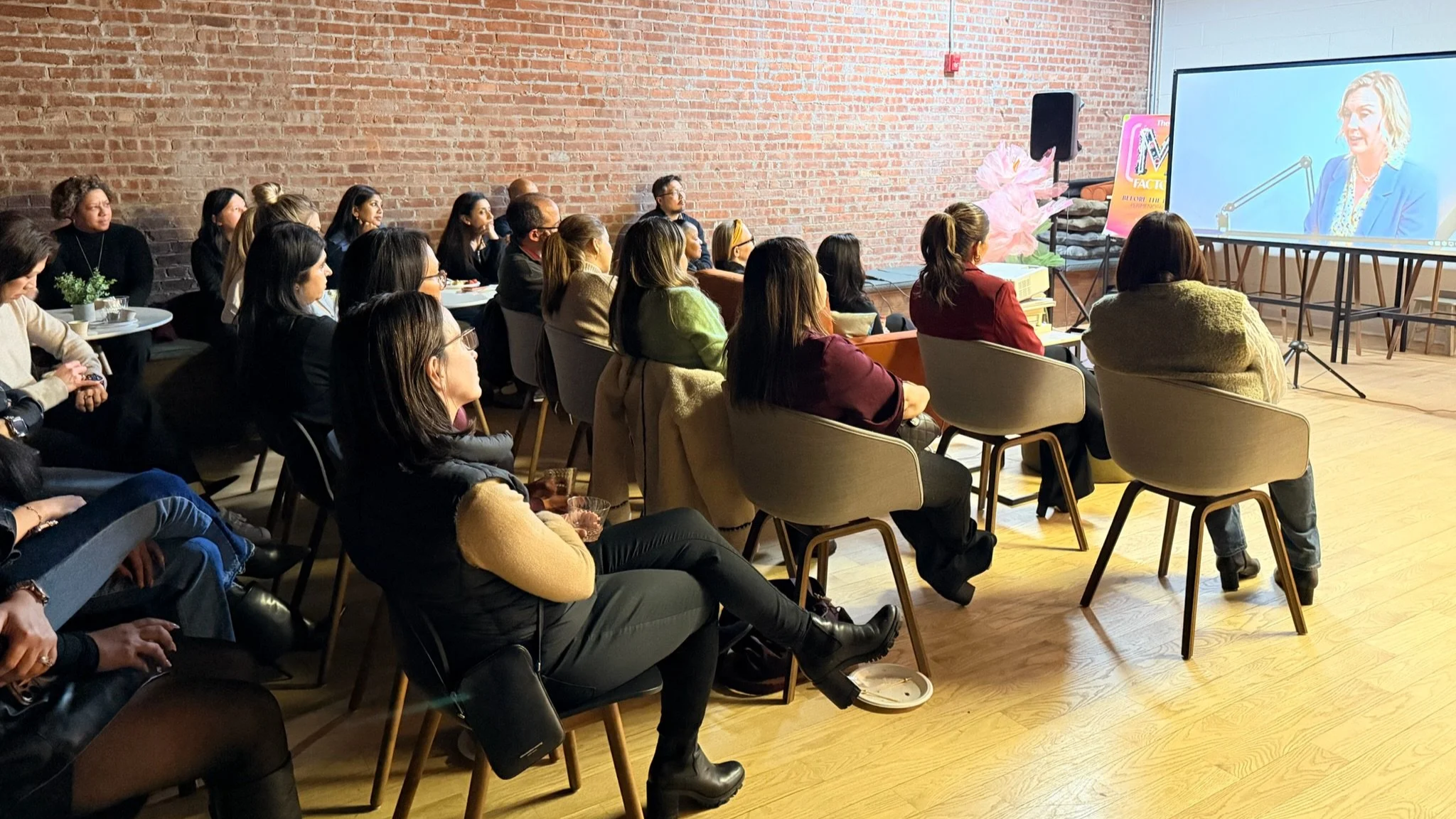
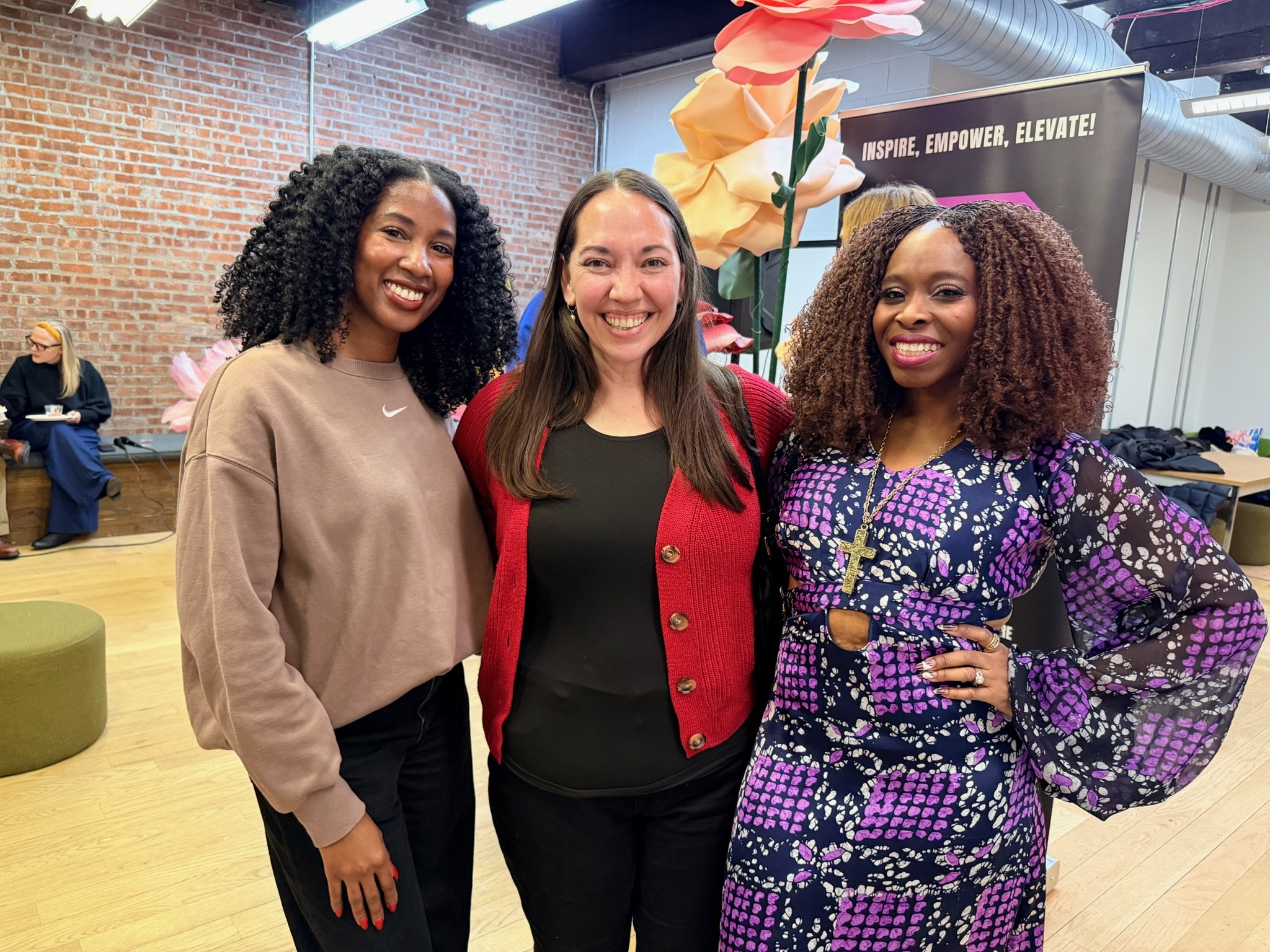
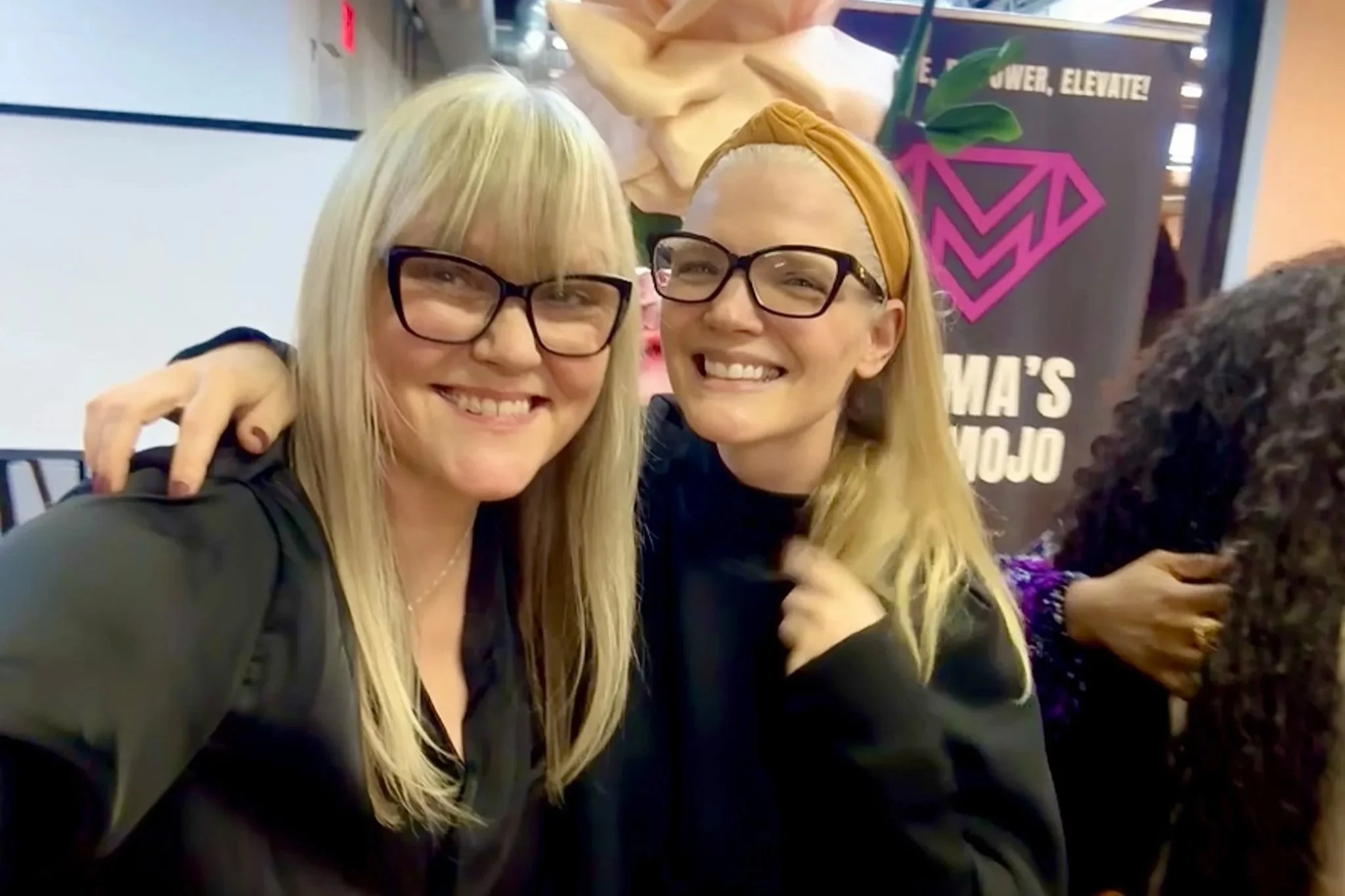
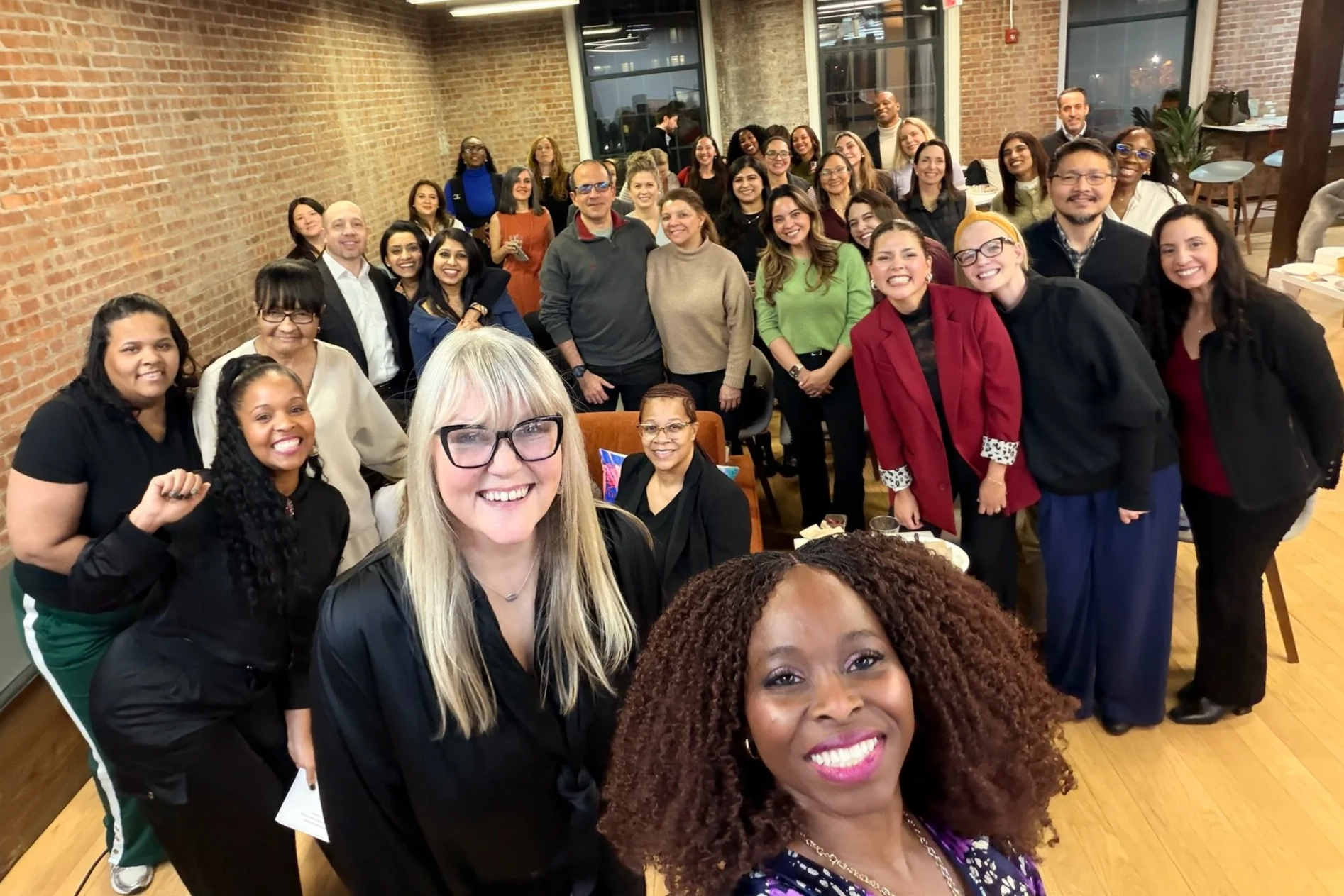
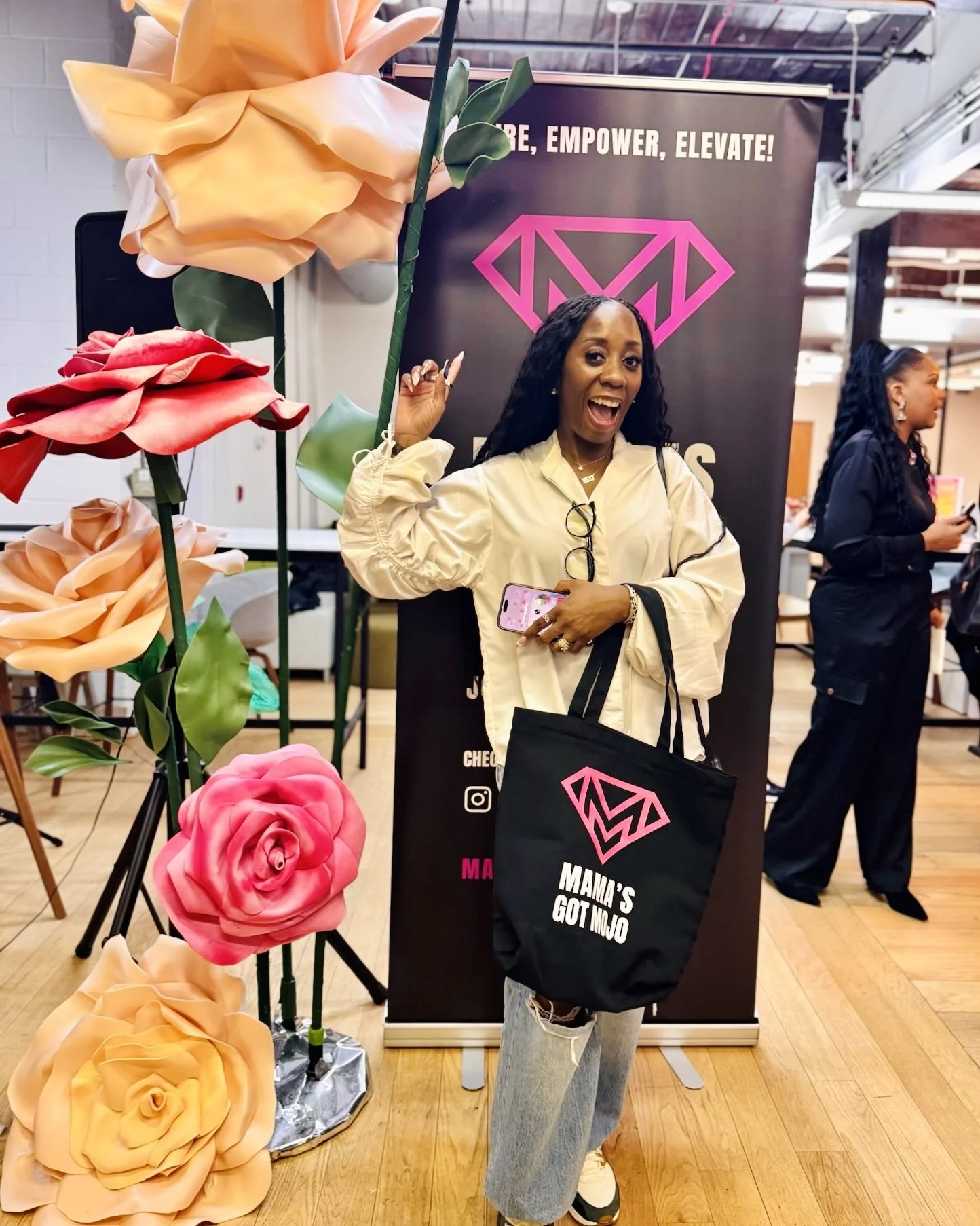
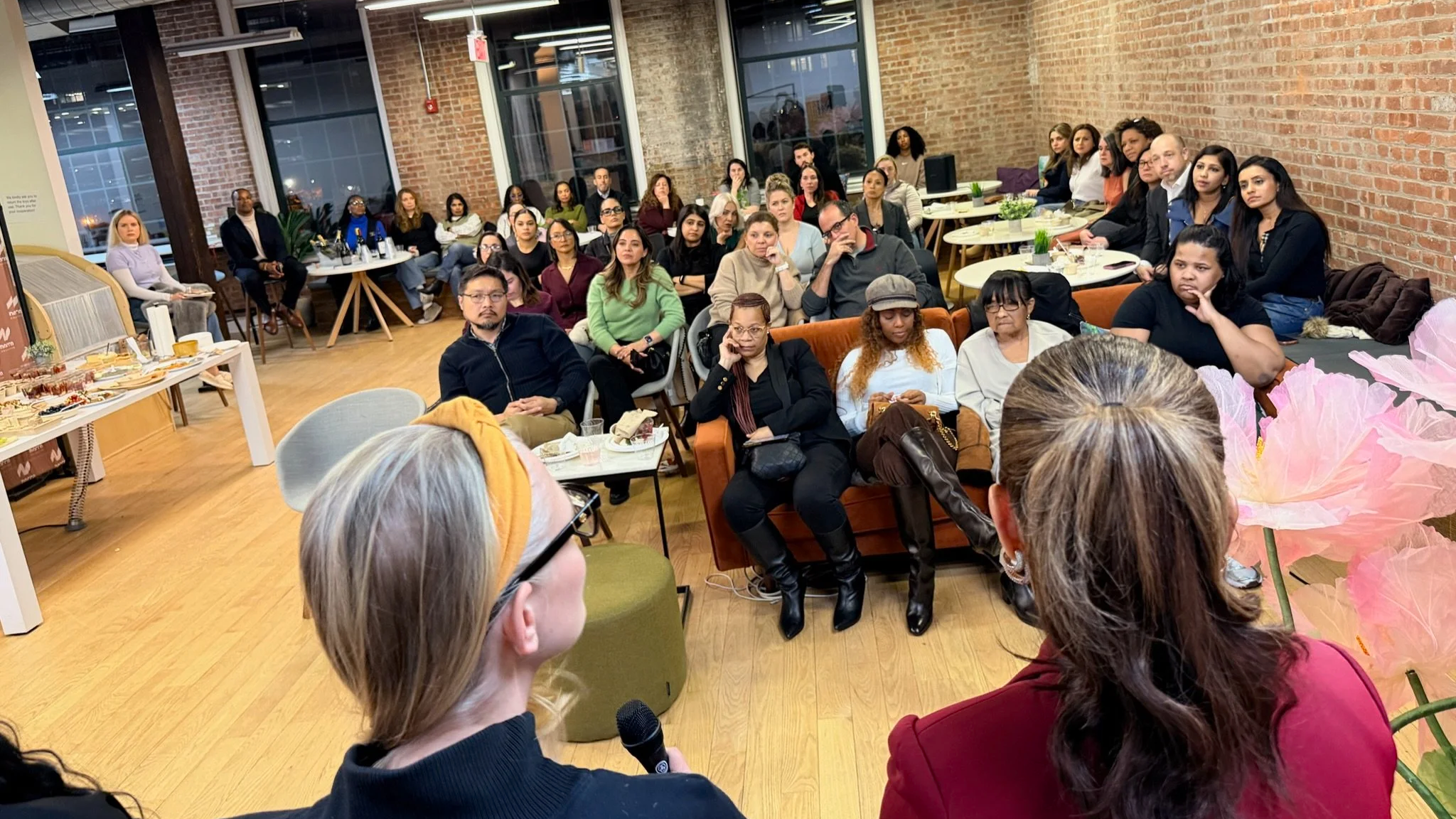
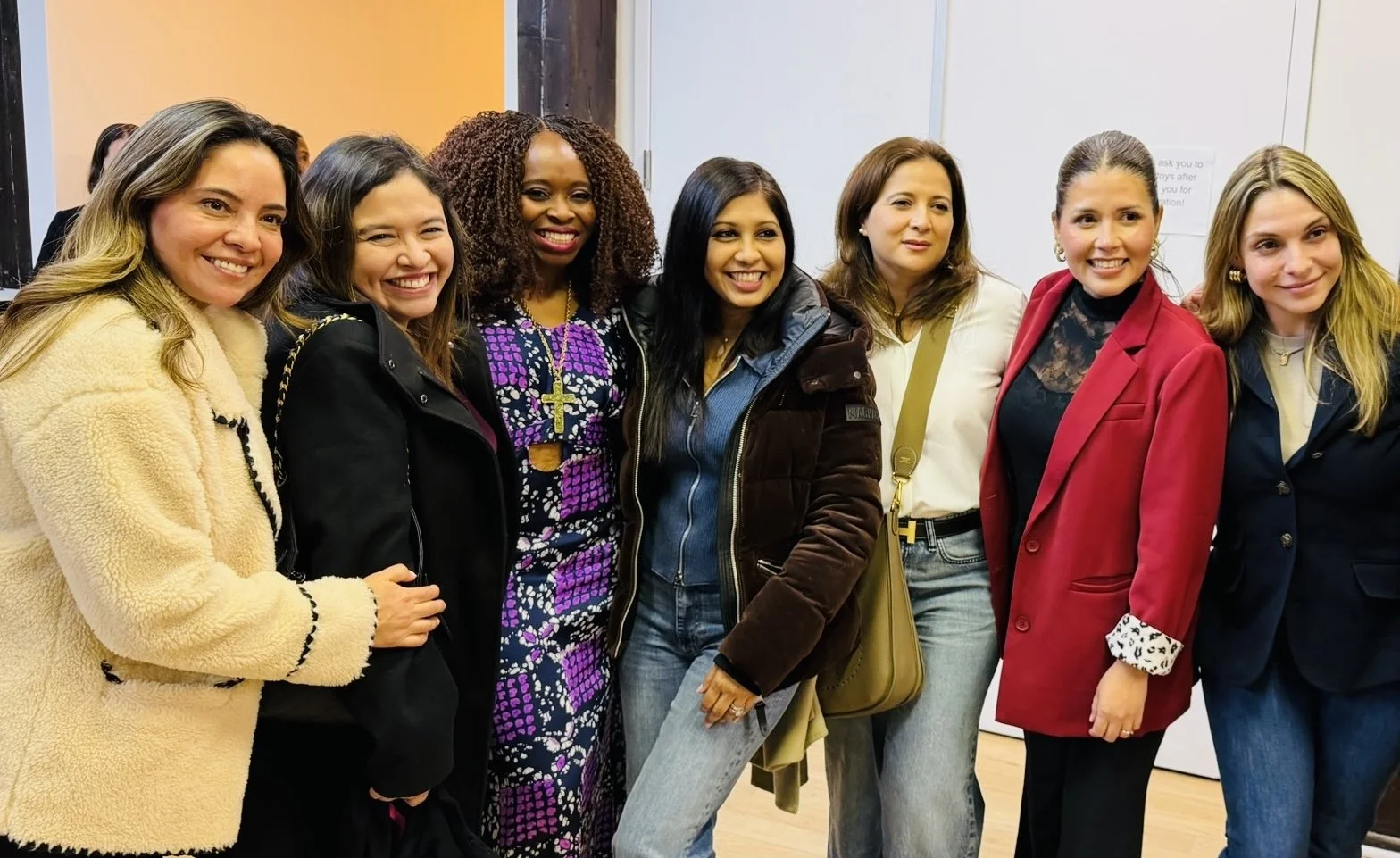
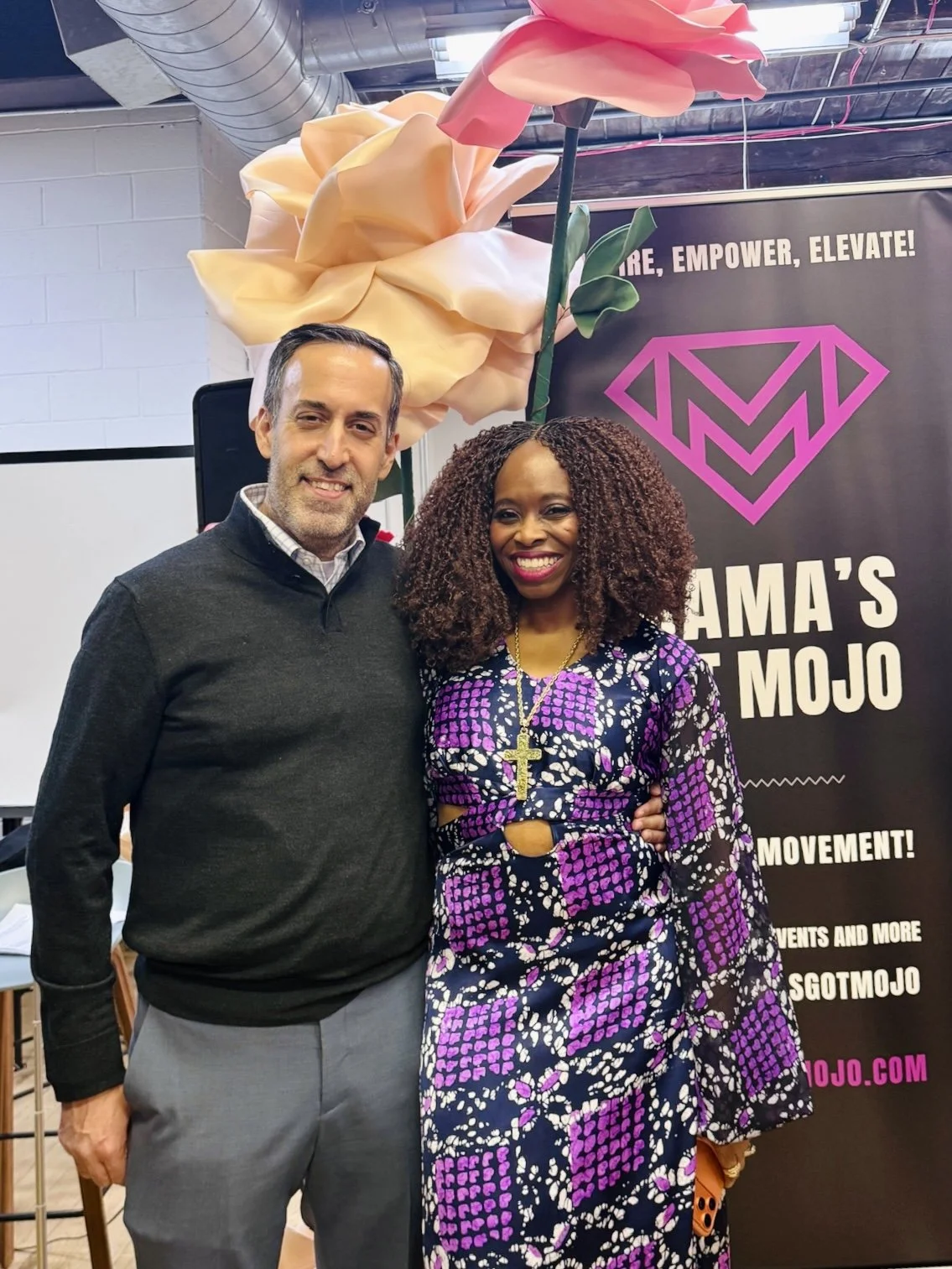
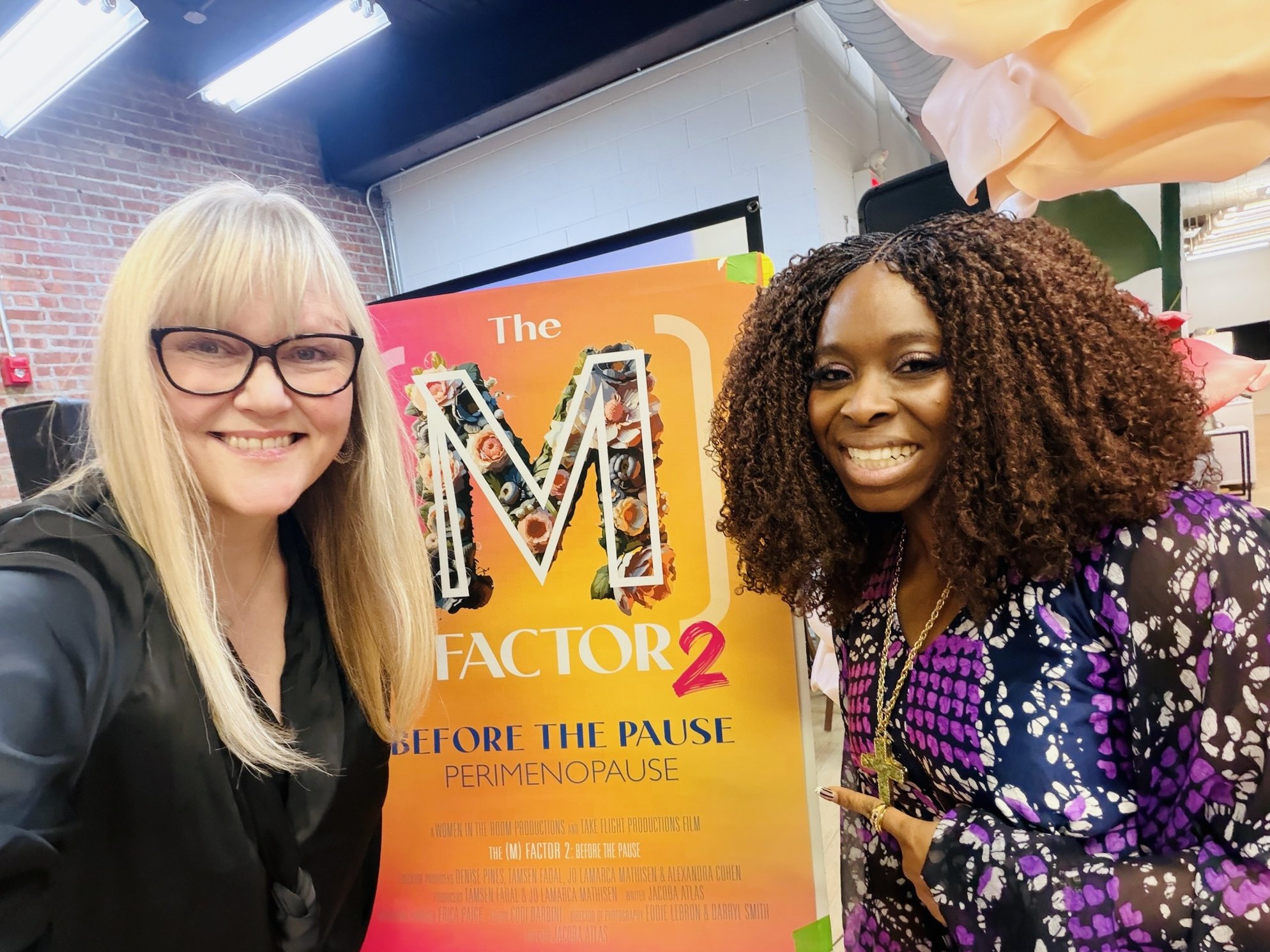
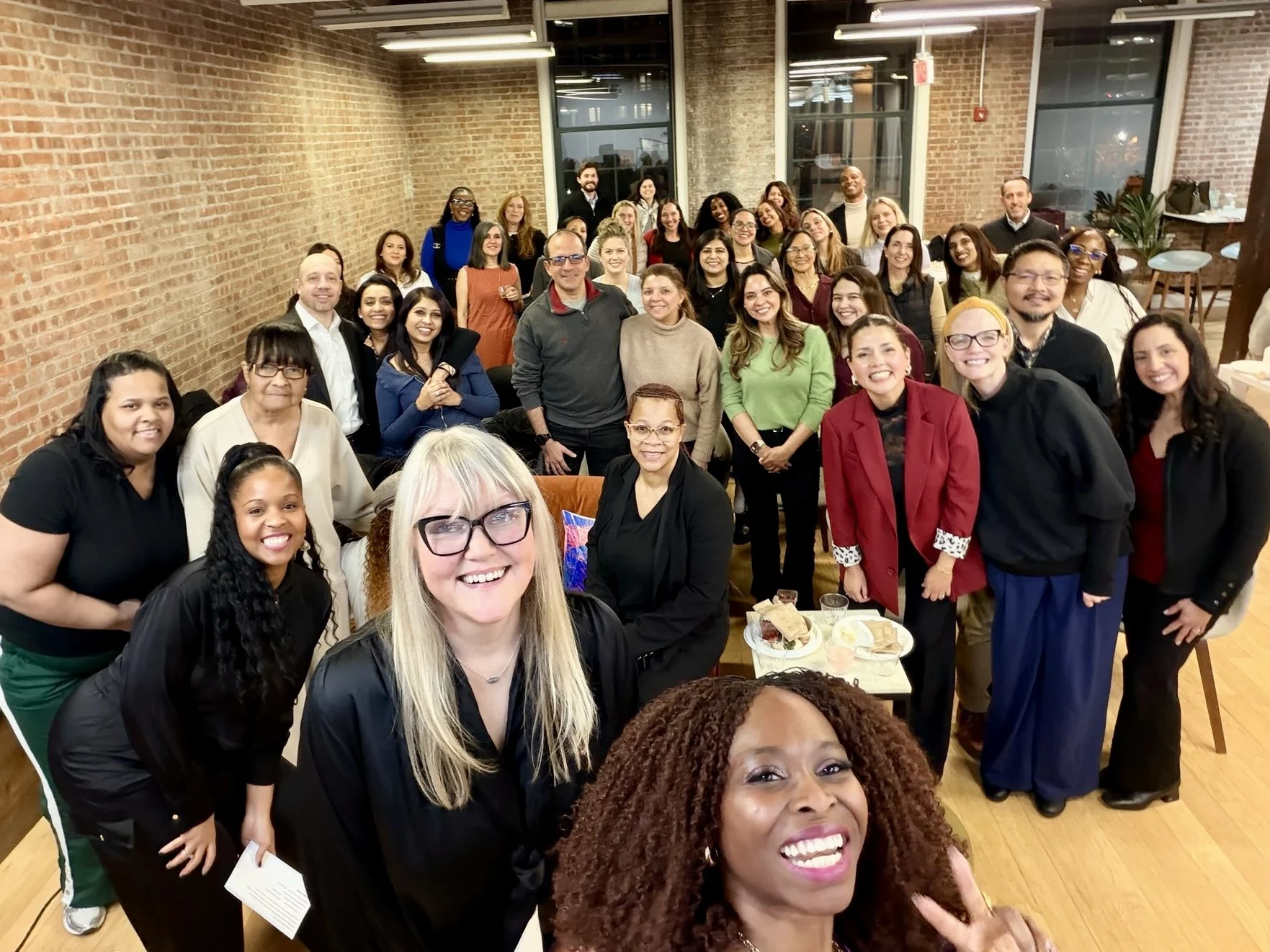
On a packed Thursday evening at Narra Collective in Jersey City, more than 50 women — and a few brave men — filled the room as Mama's Got Mojo hosted a screening of The M Factor 2: Before the Pause — Perimenopause, followed by an expert panel discussion that was honest, science-backed, and long overdue. The questions kept coming so fast and so freely that we let the clock run over — because when women finally have a space to ask what they've been carrying alone, you don't cut that short.
This was our second M Factor event. After the overwhelming response to our original screening of The M Factor – Shredding the Silence on Menopause, we knew the conversation wasn't over. If anything, it had just begun. This time, we focused on the decade before menopause — the phase that can begin as early as the mid-30s, that disrupts sleep, mood, identity, relationships, and careers, and that far too many women are navigating completely alone.
We also did something different this time: we invited the men in our lives. Because perimenopause doesn't just happen to women — it happens to families. And seven brave souls in the room showed up to learn alongside their partners.
About the Film
The M Factor 2: Before the Pause goes deeper than its predecessor, shining a light on perimenopause — the often-overlooked phase before menopause that can upend a woman's health, sense of self, and daily life. The film weaves personal stories from real women together with insights from leading experts, documenting how women are frequently dismissed by the medical system, told their symptoms are psychological, and left without answers for years.
The film makes a powerful case: the workplace, the healthcare system, and our culture at large were not built with the perimenopausal woman in mind — and that needs to change. Early awareness and education aren't just helpful. They can be life-changing.
Meet Our Expert Panelists
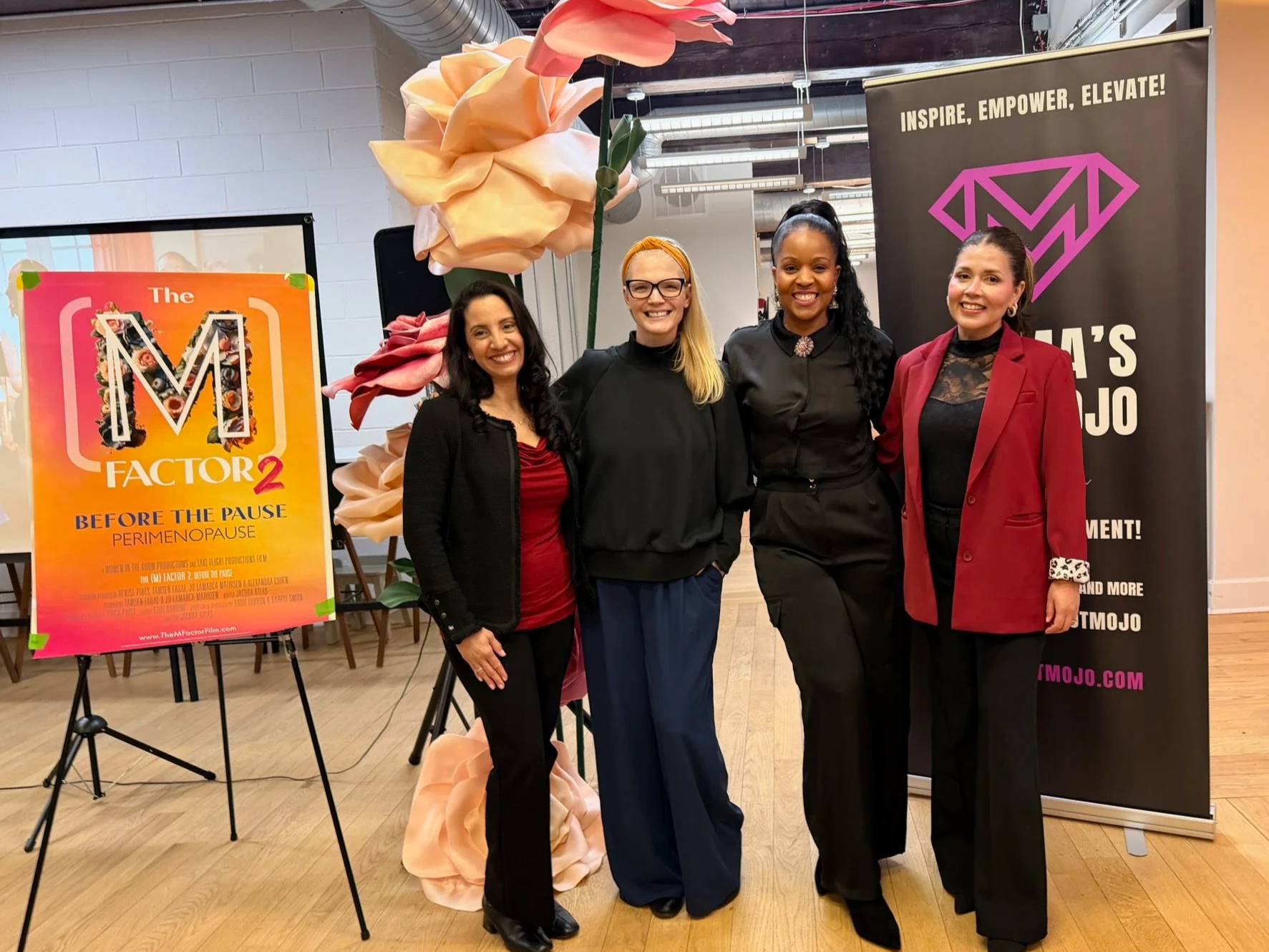
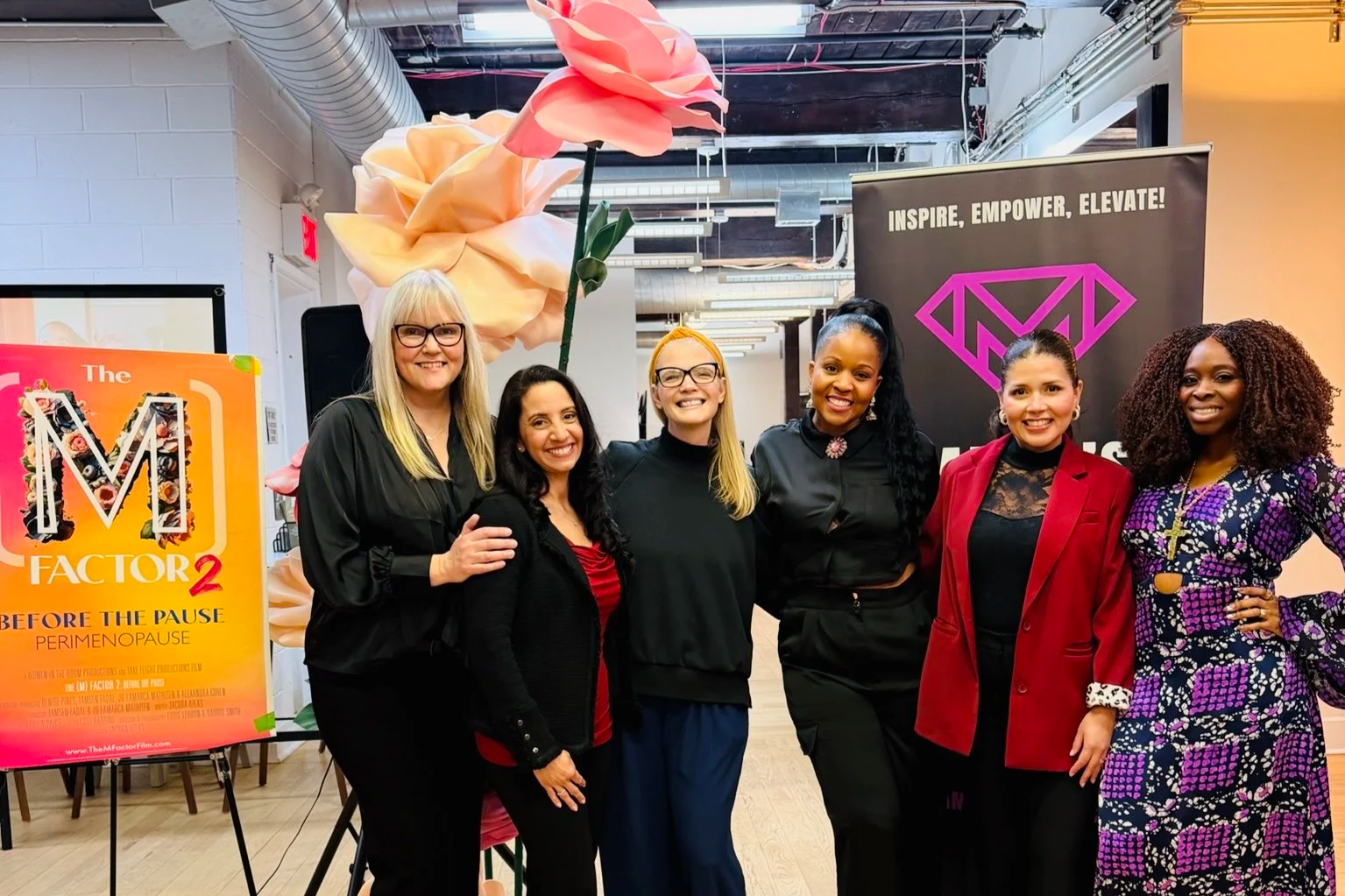
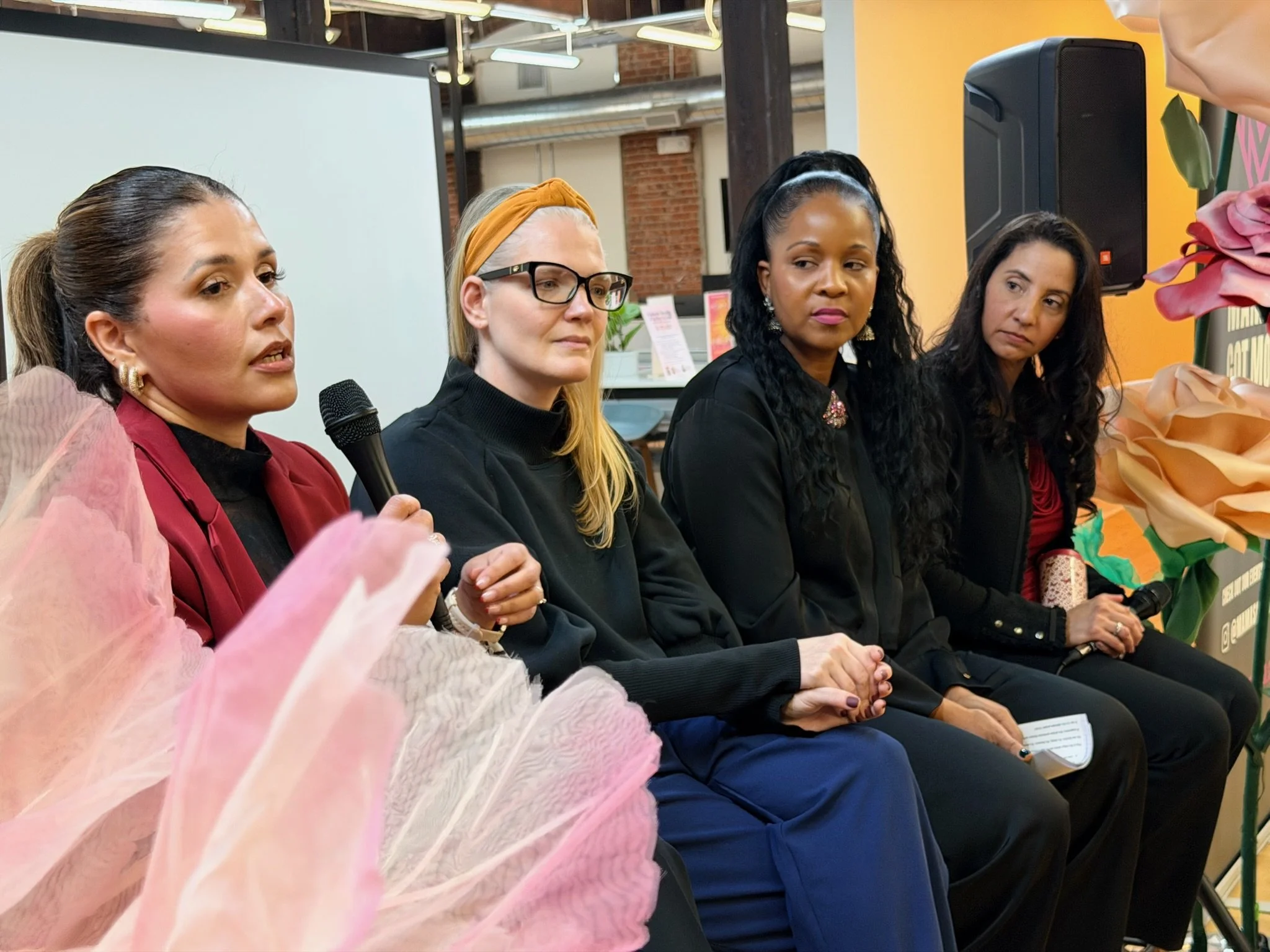
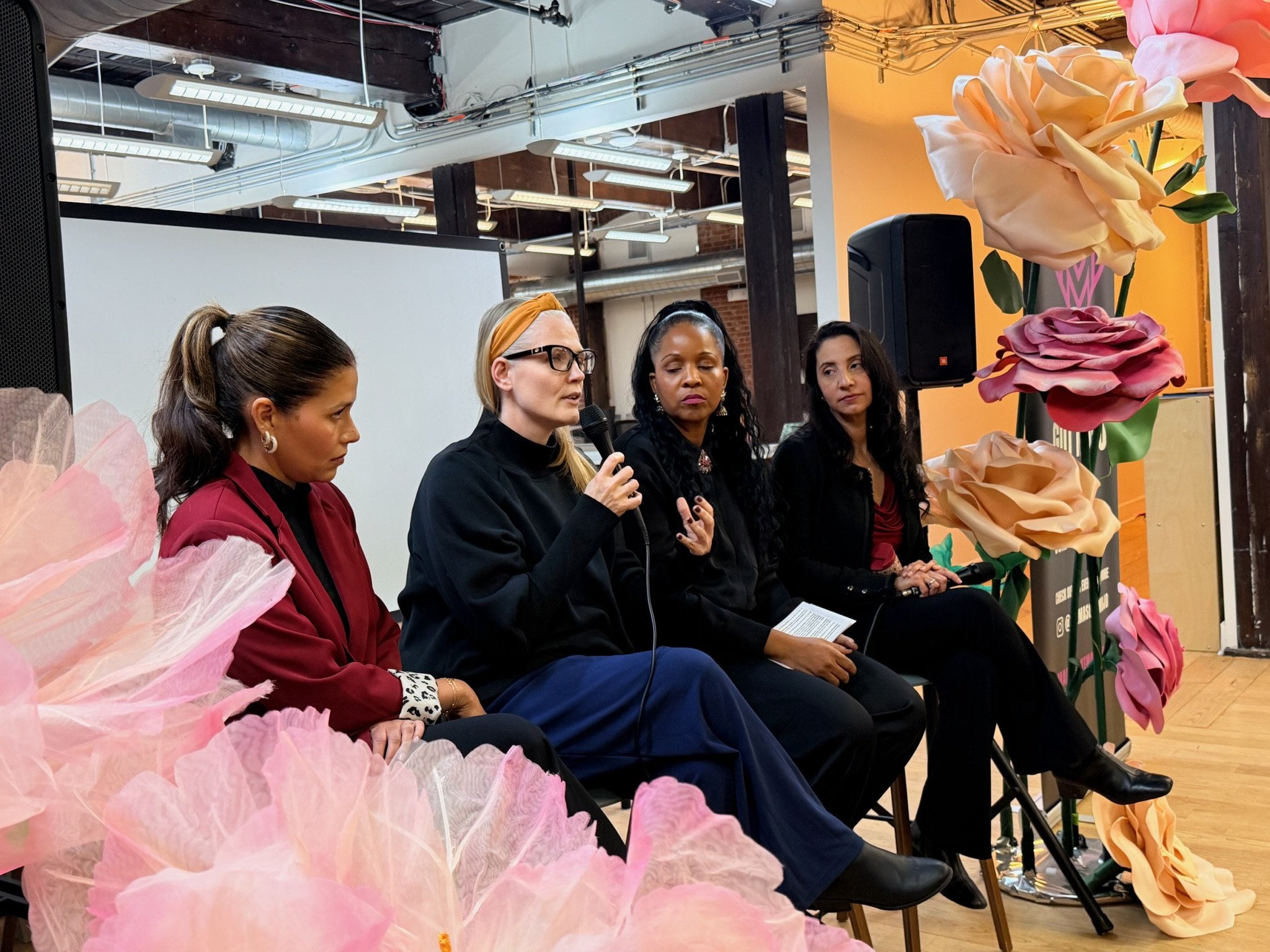
We were honored to be joined by four remarkable women whose expertise spans medicine, mental health, nutrition, and wellness. What made this panel truly extraordinary was that each of them came not just as a professional, but as a woman with her own story. Every panelist shared personal experiences with perimenopause symptoms that had shaped their lives — and ultimately pulled them into this work. Their vulnerability set the tone for everything that followed, and it gave every woman in that room permission to be honest too.
Dr. Nicole Tully, MD — Board-certified physician and certified menopause practitioner with nearly two decades of experience in women's health. Dr. Tully is the founder of TullyMD, a women's concierge medical practice in Hoboken serving patients in New Jersey and New York, where women receive truly personalized care — from primary care to perimenopause and menopause support.
Ednesha Saulsbury, LCSW — Licensed clinical social worker, psychotherapist, and women's mental health advocate with over 13 years of experience supporting the emotional well-being of women of color. Ednesha practices at BeWell Psychotherapy in New York City and is co-founder of Black Woman Be Whole, with a deep focus on perimenopause, menopause, identity, and life transitions.
Jody Smith, LPC — Licensed Professional Counselor and founder of Clarity Counseling Network, with over 15 years of experience specializing in stress management, trauma recovery, and holistic therapy. Jody has made it her mission to walk alongside women through every season of life — from motherhood and identity shifts to the emotional complexity of perimenopause.
Doucky Esquijarosa — Women's Fitness & Nutrition Expert, Certified Menopause Specialist, and GLP-1 Lifestyle Coaching Specialist, and co-founder of Become Fit Forever. With over nine years of experience guiding women over 40, Doucky specializes in hormone-smart fat loss, strength training, blood sugar balance, and building sustainable habits that protect long-term metabolic health.
Key Takeaways from the Panel
What's Going On? The Chaos Behind the Curtain
The evening opened with one of the most relatable questions we've heard at any MGM event: "I don't feel like myself" — and why that phrase shows up in so many perimenopausal women's stories.
Jody explained that the "zone of chaos" women describe isn't in their heads — it's a very real erosion of the psychological scaffolding that holds identity together. When mood, sleep, and cognition fluctuate unpredictably, women stop trusting themselves. That loss of inner reliability is profoundly destabilizing.
Dr. Tully anchored that experience in biology. The hormonal shifts of perimenopause — fluctuating and eventually declining estrogen and progesterone — directly affect the brain's regulation of mood, memory, and stress response. Women are blindsided because no one told them this transition could begin in their late 30s, and because symptoms are still routinely misattributed to anxiety, depression, or "just stress."
Ednesha spoke to a painful truth that the film doesn't fully address: women, and especially women of color, enter perimenopause without information because the medical system was never designed with them in mind. Symptoms are minimized. Concerns are dismissed. And the cultural expectation to push through, to be strong, to not complain — leaves women suffering in silence for years.
Body, Brain, and the Long Game
One of the most important things our panelists communicated: perimenopause is not just a quality-of-life issue. It's a long-term health issue.
Dr. Tully laid out the stakes clearly. Declining estrogen affects the heart and the brain. Women's risk of cardiovascular disease rises significantly after the hormonal shifts of perimenopause. And emerging research on estrogen's protective role in the brain has put Alzheimer's prevention squarely in the conversation. What happens in your 40s matters for your 70s and 80s. The time to protect your future health is now.
Doucky brought the conversation to bone and muscle — two areas women often don't think about until it's too late. Peak bone density is built by our late 30s and begins to decline. Muscle mass loss (sarcopenia) accelerates during the hormonal shifts of midlife. Her message was clear: strength training is not optional for women in their 40s. It is medicine. Lifting weights protects bone, supports metabolism, improves insulin sensitivity, and preserves the muscle that keeps women independent and strong for decades to come.
Sleep also got serious attention from the full panel. Hormonal disruption — particularly the drop in progesterone and night sweats driven by estrogen fluctuation — fragments sleep and triggers a cascade of downstream effects: impaired mood, increased cortisol, insulin resistance, brain fog, and accelerated weight gain. Restoring sleep is not a luxury. It's a clinical priority.
Care, Bias, and Learning to Advocate for Yourself
The panel didn't shy away from one of the most frustrating realities perimenopausal women face: being dismissed.
Dr. Tully addressed the elephant in the room around HRT. The Women's Health Initiative study from the early 2000s created decades of fear and misinformation about hormone therapy. That fear left an entire generation of women undertreated. Current evidence tells a very different story: for most women, especially those who begin hormone therapy within 10 years of the start of menopause (the "timing hypothesis"), the benefits significantly outweigh the risks. And the conversation around HRT in perimenopause — not just post-menopause — is evolving rapidly.
Ednesha spoke directly to the experience of Black and Latina women seeking help for perimenopause. The research is stark: women of color are more likely to have their symptoms minimized, are less likely to be offered hormone therapy, and often face the additional burden of having to educate their providers about their own bodies. She called for better training, more culturally competent care, and a healthcare system that actually listens.
The panel offered practical tools for women who've been dismissed: track your symptoms before appointments, ask specifically about perimenopause, request a menopause-certified specialist if needed, and know that "your labs are normal" does not mean you are fine.
Lifestyle, Weight, and the Metabolism Conversation
Doucky brought her signature directness to a topic that hits close to home for so many women: the weight gain that seems to defy every rule they've ever followed.
The culprit isn't willpower. It's cortisol, insulin resistance, and declining estrogen working together to shift where the body stores fat (to the abdomen), slow metabolism, and make the old playbook — eat less, do more cardio — actively counterproductive. Chronic caloric restriction raises cortisol. Excessive cardio does the same.
Her prescription: prioritize protein (most women are significantly under-eating it), build muscle through resistance training, balance blood sugar, and sleep. GLP-1 medications entered the conversation too — not as a quick fix, but as one clinical tool that, when used appropriately alongside lifestyle change, can support metabolic health during perimenopause.
Jody and Ednesha addressed the psychological toll of body changes — the grief, the shame, the hit to self-esteem that comes when your body no longer responds the way it used to. The message from both: the body is not betraying you. It is changing. And the narrative you build around that change matters enormously.
Identity, Intimacy, and the People Around You
Jody tackled one of the most universal — and least discussed — experiences of perimenopause: the feeling that the woman you've known yourself to be is slipping away. She reframed it powerfully: this isn't only loss. It is also transformation. The question is whether you have enough support and self-awareness to move through it, rather than just suffer it.
The ripple effects on relationships were honest and sometimes uncomfortable. When a woman is exhausted, hormonally volatile, and struggling with her sense of self, intimacy — emotional and physical — takes a hit.
Dr. Tully addressed sexual health directly, something that rarely gets airtime: declining estrogen affects vaginal tissue, lubrication, arousal, and comfort. These are real, physiological changes with real solutions — including local hormone therapy, lubricants, and pelvic floor support. Women don't have to just live with it. And partners need to understand what's happening so they can respond with support rather than confusion or withdrawal.
Work, Power, and What Comes Next
Women are leaving the workforce at alarming rates because of perimenopause. Not because they want to — but because without support, accommodation, or even basic awareness, the symptoms become unmanageable in a workplace context.
Ednesha named what her clients are living: the cognitive fog that makes high-stakes work feel impossible, the sleep deprivation that compounds everything, the shame of not being able to perform the way they used to, and the fear of what disclosing that might cost them. A truly supportive workplace, she said, would start with education — managers who understand perimenopause, flexible policies, and a culture where women don't have to pretend.
The panel closed on a note of power. Perimenopause is not a pause. It is a pivot. Women who move through this phase with knowledge, support, and the right care don't just survive it — they come out the other side knowing themselves more deeply, more fiercely, and with a much clearer sense of what they are no longer willing to accept.
The Truths Every Woman Needs to Hear
We asked each panelist for the most important thing they wanted every woman in the room to carry home. Here is the heart of what they said:
"I don't feel like myself" is the first sign. Don't dismiss it. Don't push through it. That sentence is your body asking for attention — and it deserves to be heard.
Your symptoms are real. The brain fog, the weight gain, the anxiety, the sleeplessness, the mood swings — these are not in your head. They are physiological. And they have names, causes, and solutions.
The science is newer than you think. There is so much emerging research on perimenopause and hormonal health — and so much of what women were told even a decade ago has been updated. Seek out providers who are current.
Cut through the noise. The influencers, the supplements, the miracle products — most of it is marketing aimed at women who are desperate for answers. Come back to the fundamentals: sleep, nutrition, and movement. These are the foundation. Everything else builds on top.
Don't be afraid of HRT. The fear around hormone therapy has kept too many women suffering unnecessarily. The research has moved on. Find a certified menopause specialist, have the conversation, and make an informed decision — not one based on outdated science or fear.
Seek qualified help. A general practitioner may not have the training to support you through this. You deserve a menopause-certified specialist who understands what's happening in your body and can guide you through it.
Find your community. This may be the most powerful medicine of all. Women who are going through the same thing — who can say "me too" — change everything. The isolation of navigating perimenopause alone is its own kind of suffering. Community is healing. For women, community is medicine.
This is a beginning, not an ending. Women who understand what's happening and get the right support don't just manage this phase — they thrive in it.
A Heartfelt Thank You
An evening like this doesn't happen without an incredible community behind it.
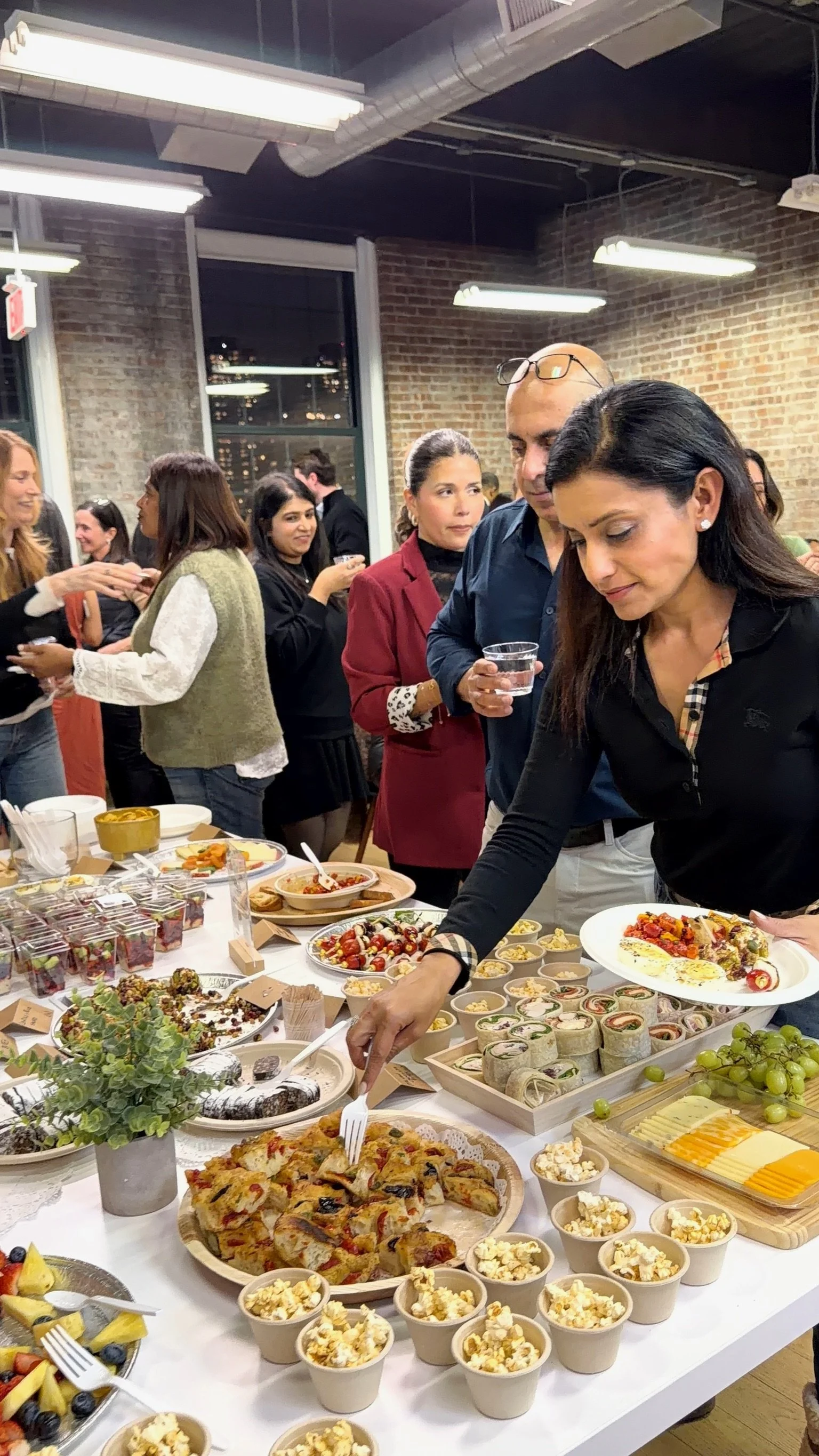
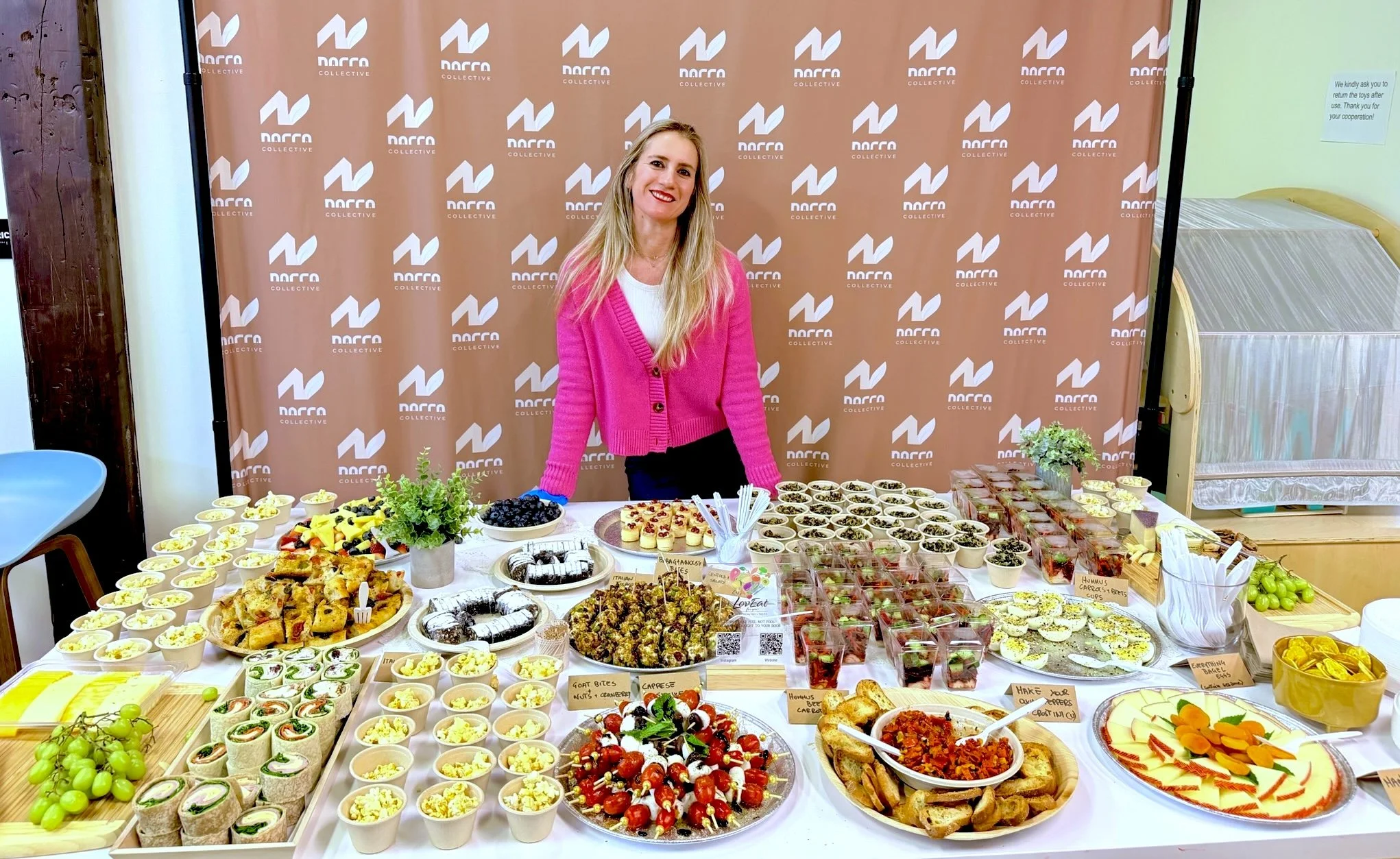
Thank you to our generous sponsors: Sheila Burmistrova, founder of Narra Collective, whose beautiful space and consistent support of our community make every event possible. Lorena Fasano, realtor and passionate advocate for women's health and wellness. And Luna, Chef and owner of LovEat For You, whose stunning spread was the talk of the evening — a beautiful, abundant table that fed both our bodies and the conversation.
Thank you to our raffle donors, whose generosity sent every guest home with something to celebrate: MedSpa facial, massage by Sandy, Jane Do 5-day class pass, Melanie's WDNC book, and Meno ent With Me merchandise.
And above all — thank you to Dr. Nicole Tully, Ednesha Saulsbury, Jody Smith, and Doucky Esquijarosa for showing up with such depth, honesty, and generosity. You gave this room exactly what it needed.
What the Room Felt Like
The feedback after the event said it all. Women left feeling validated, informed, and genuinely uplifted. Many shared that between the expert knowledge, the honest conversation, the community in that room, the beautiful food and drinks from LovEat For You, and the incredible raffle gifts — it was an evening that gave back far more than they came expecting.
But more than anything else, what came through again and again was this: I don't feel alone anymore.
And that is the whole point. In a world of conflicting information, fear-mongering products, and medical systems that still too often dismiss women's symptoms, the most powerful thing we can offer each other is community. A room full of women nodding, sharing, asking, and saying me too. That is not a small thing. That is healing.
That is exactly why we do this work. And it never gets old.
Stay in the Conversation
The conversation around perimenopause has just begun — and there are still millions of women who don't have a clue that what they're experiencing has a name, a cause, and solutions.
If this event resonated with you, share it. When someone in your life says "I just don't feel like myself," you'll know what to say.
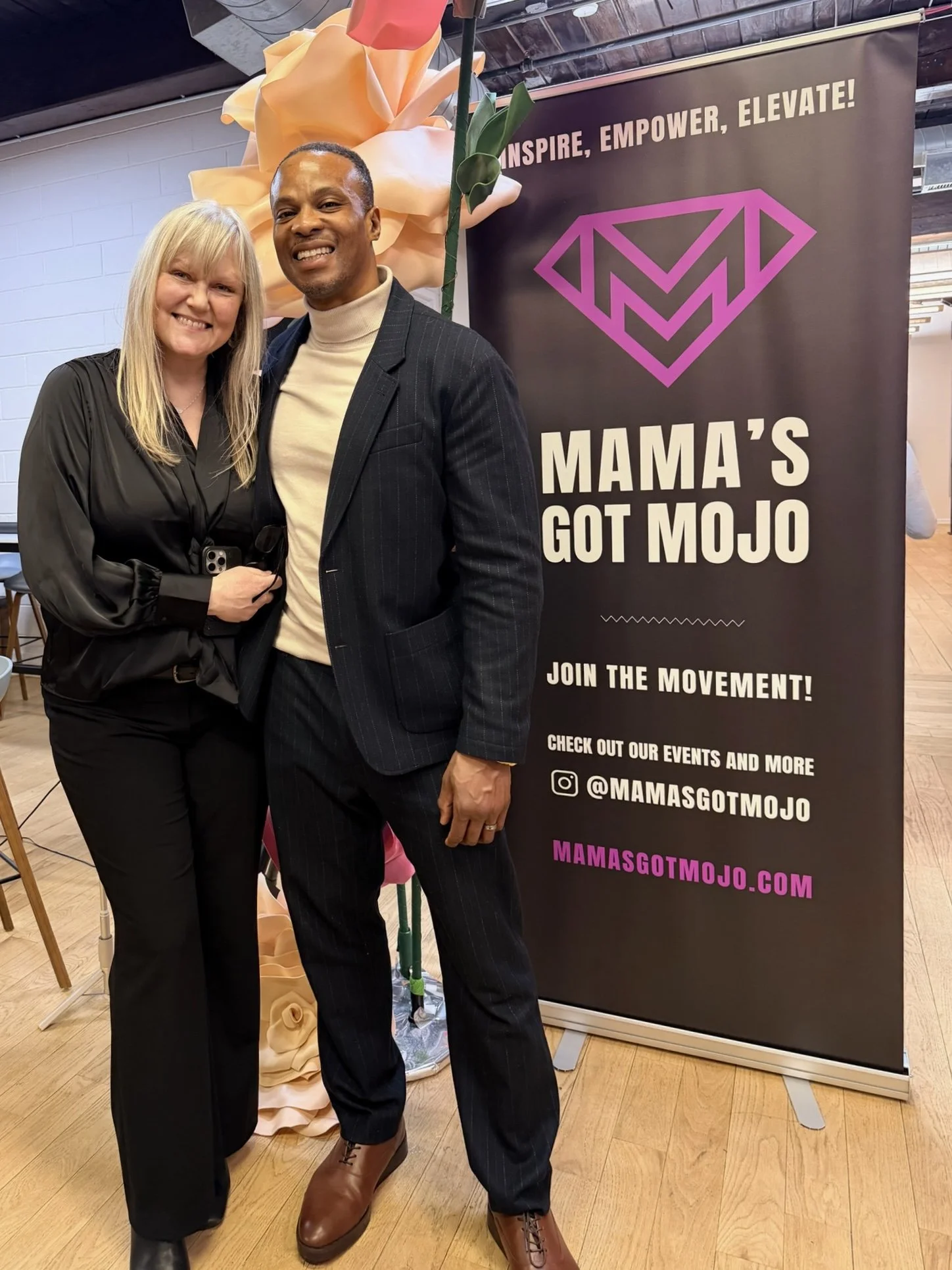
Follow us on Instagram at @mamasgotmojo, sign up for our newsletter to stay up to date on upcoming events and resources.
See you at the next one.
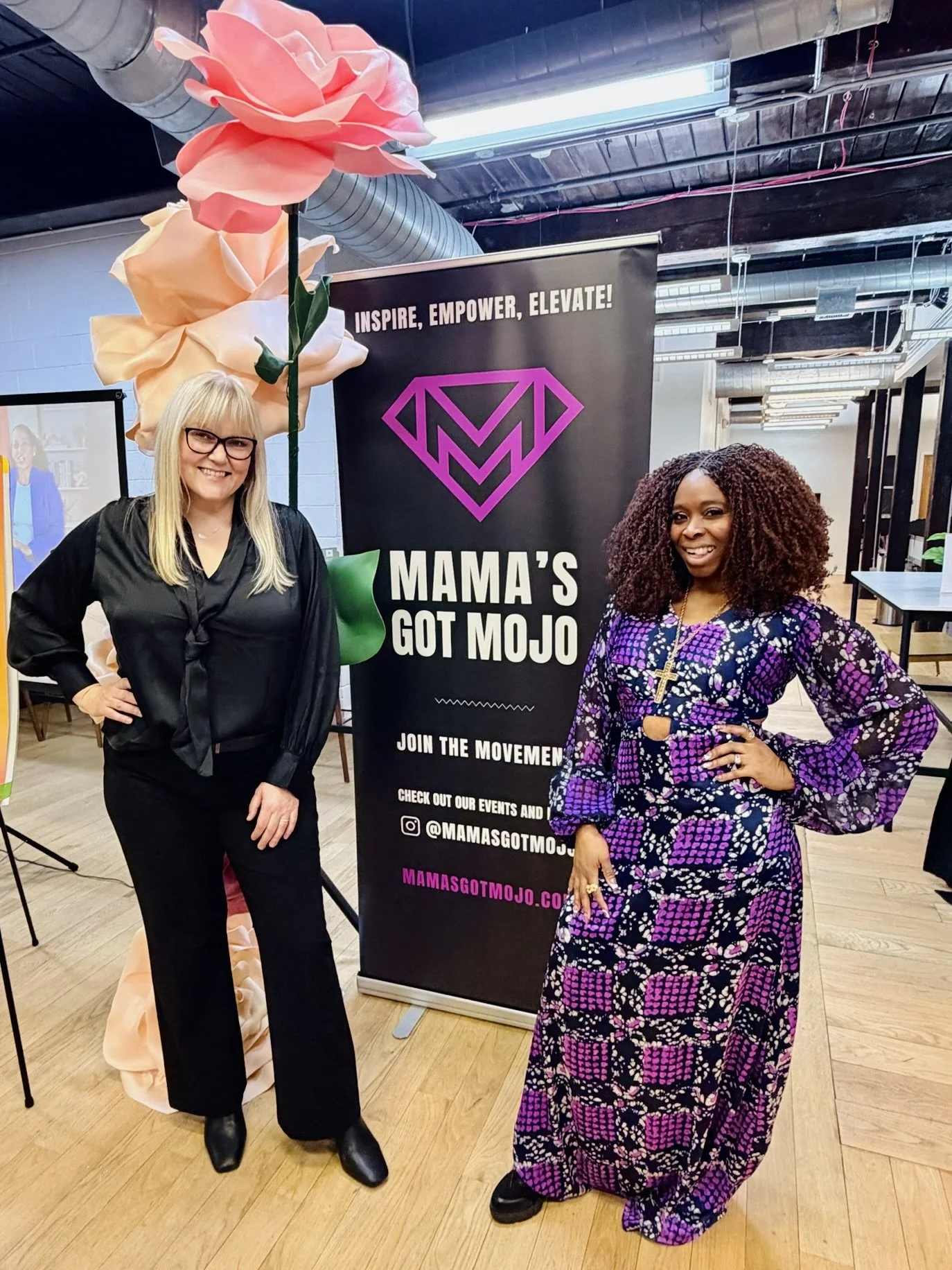
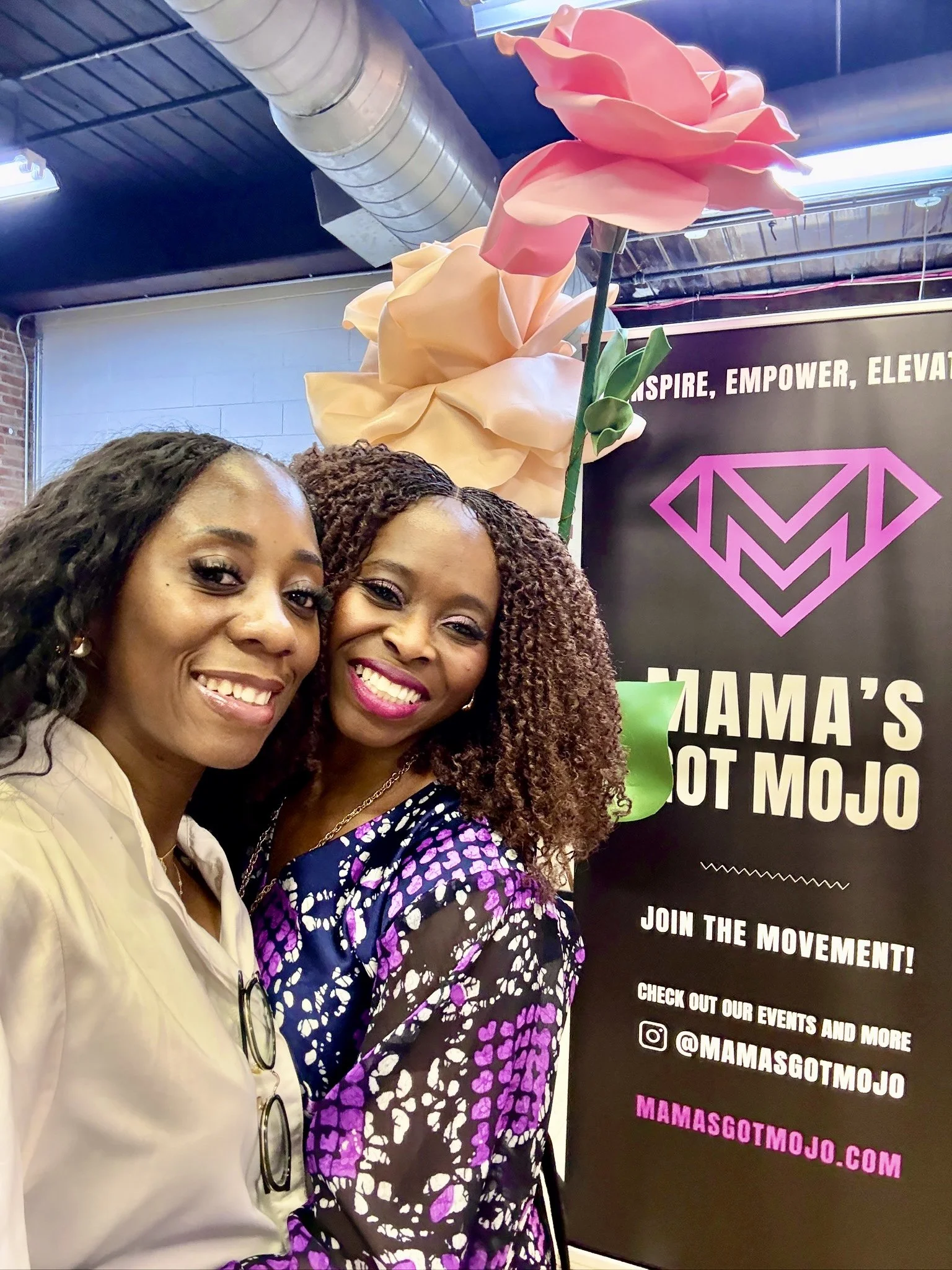
— Maria & Esohe, Mama's Got Mojo