Motherhood In The Middle - Navigating Life in the Sandwich Generation




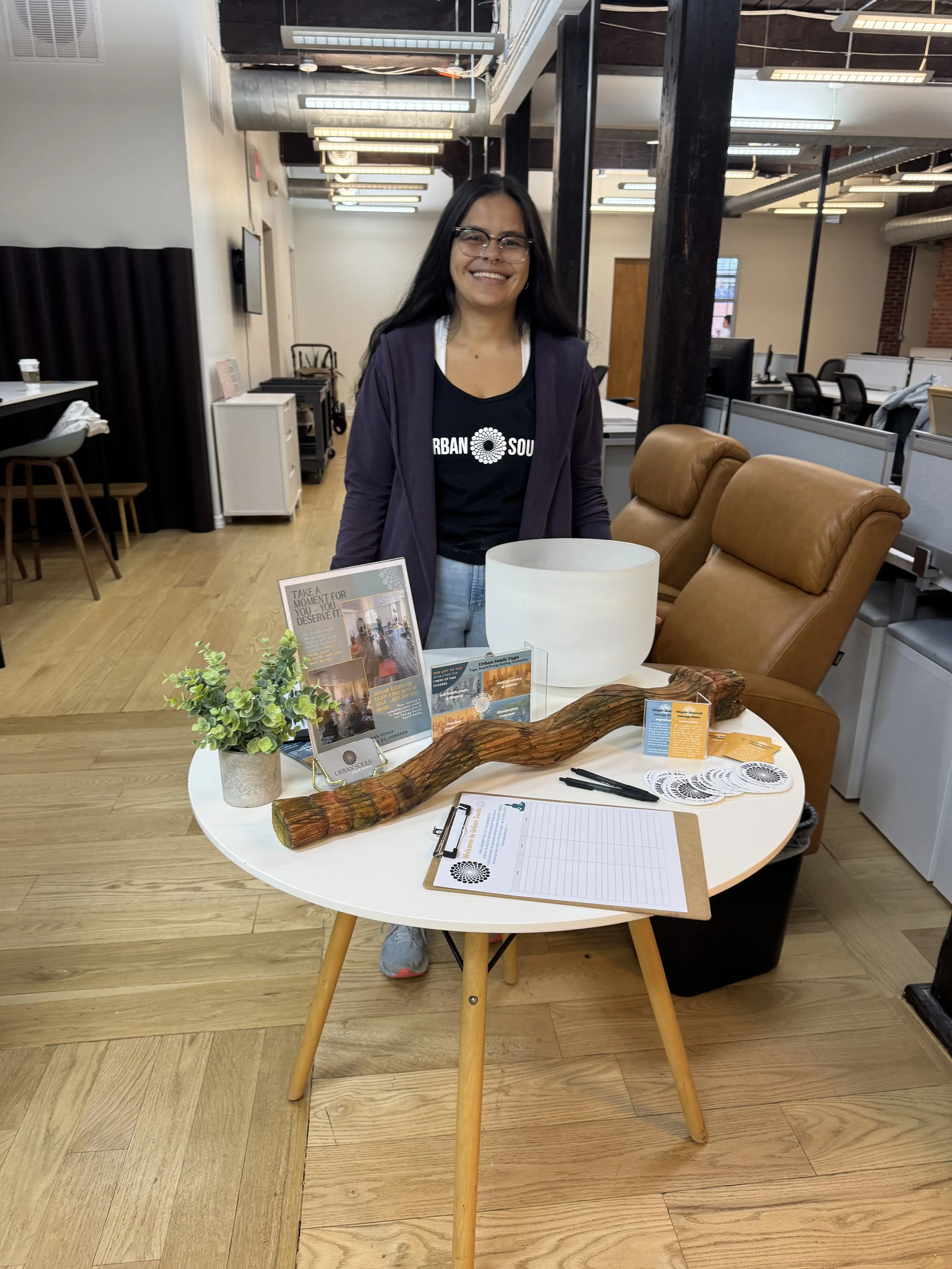
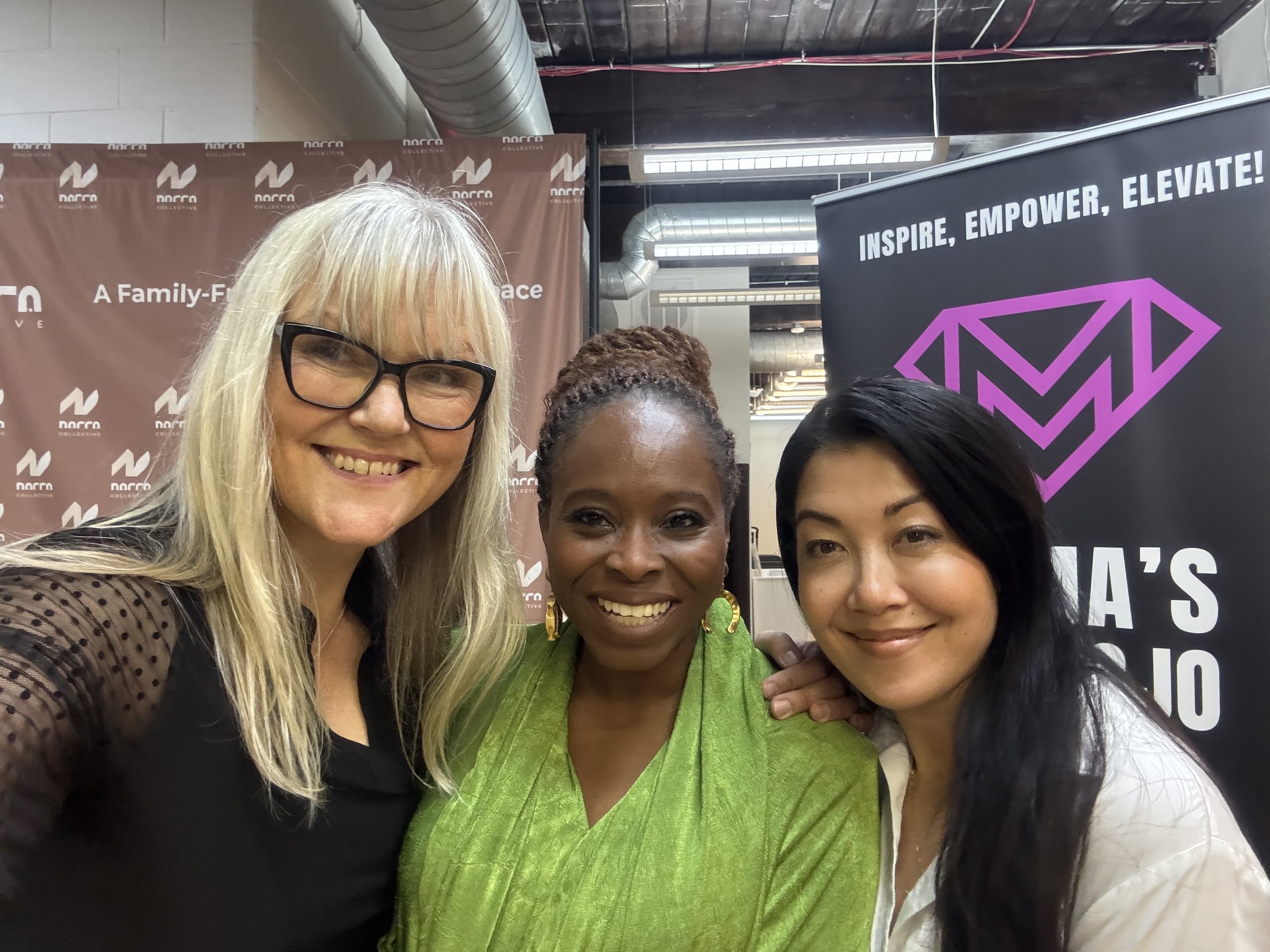





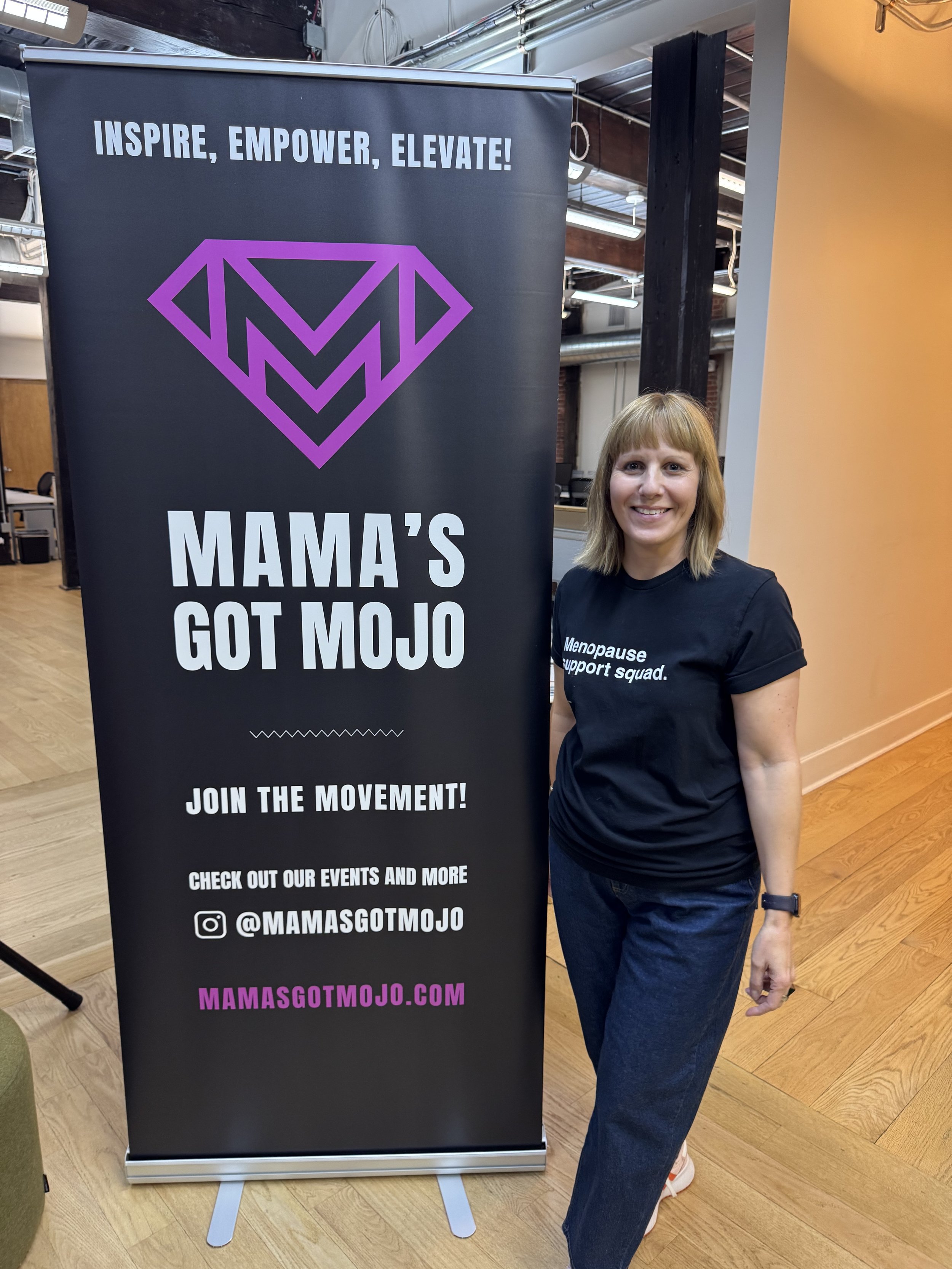


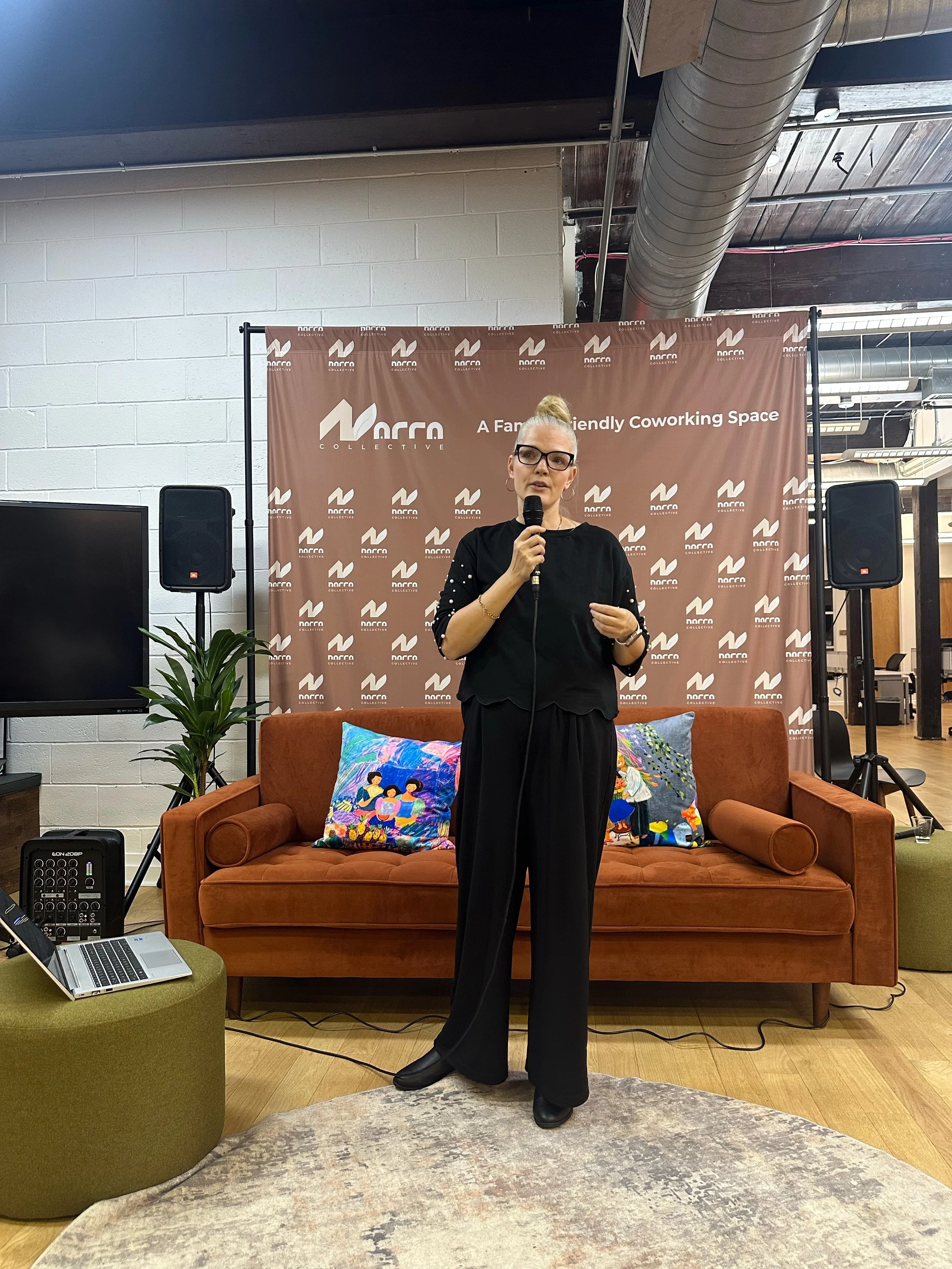

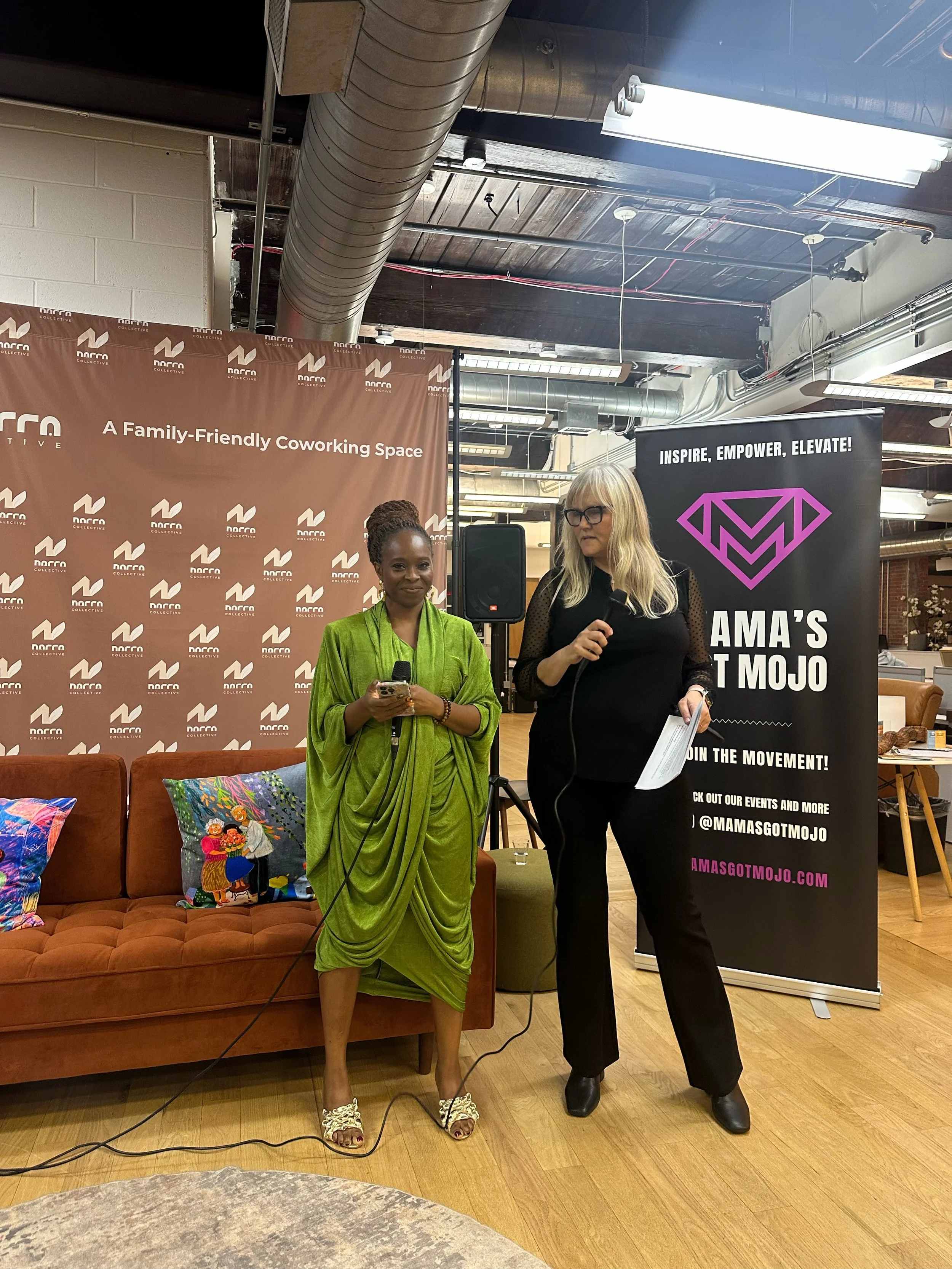






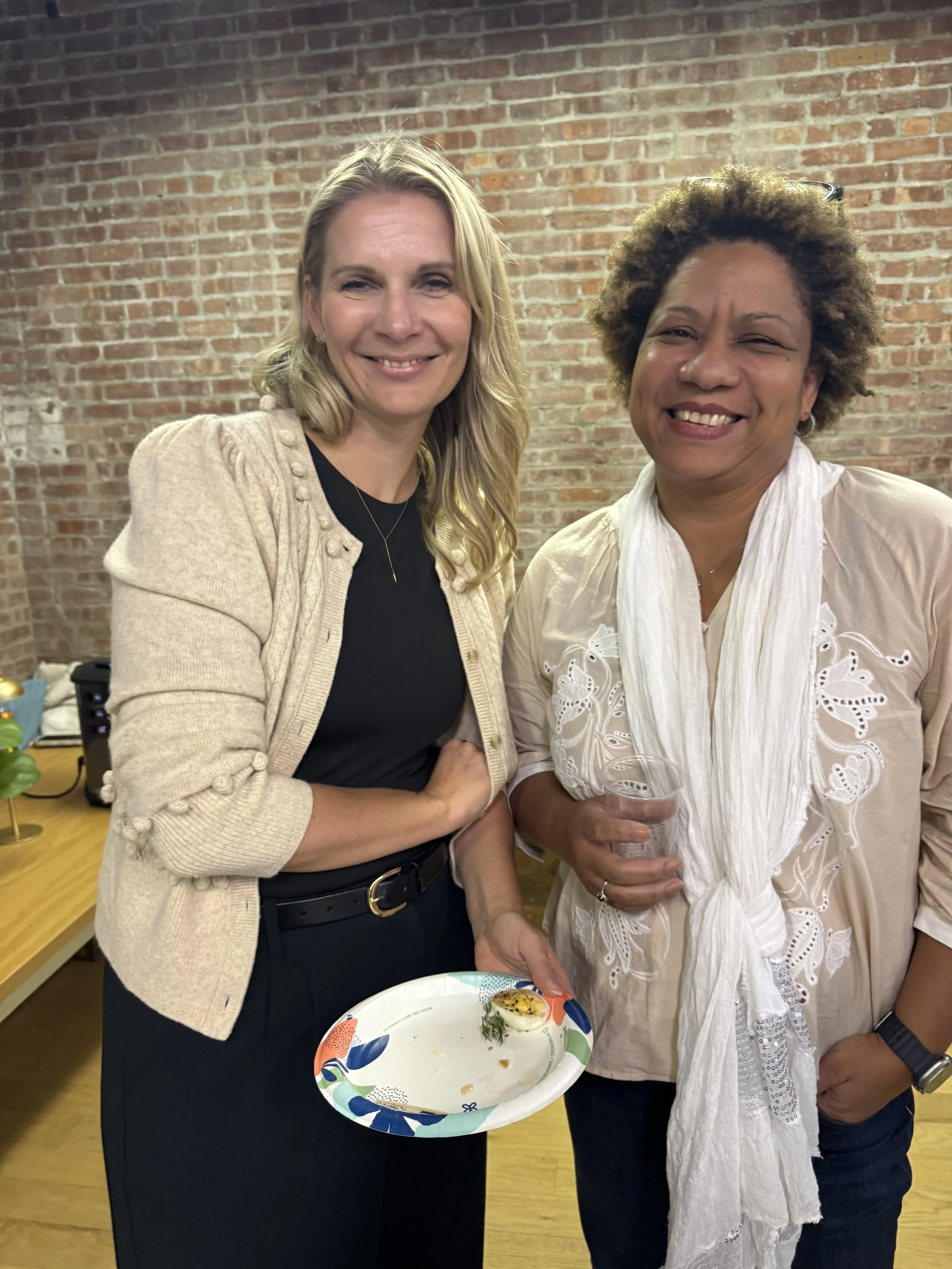
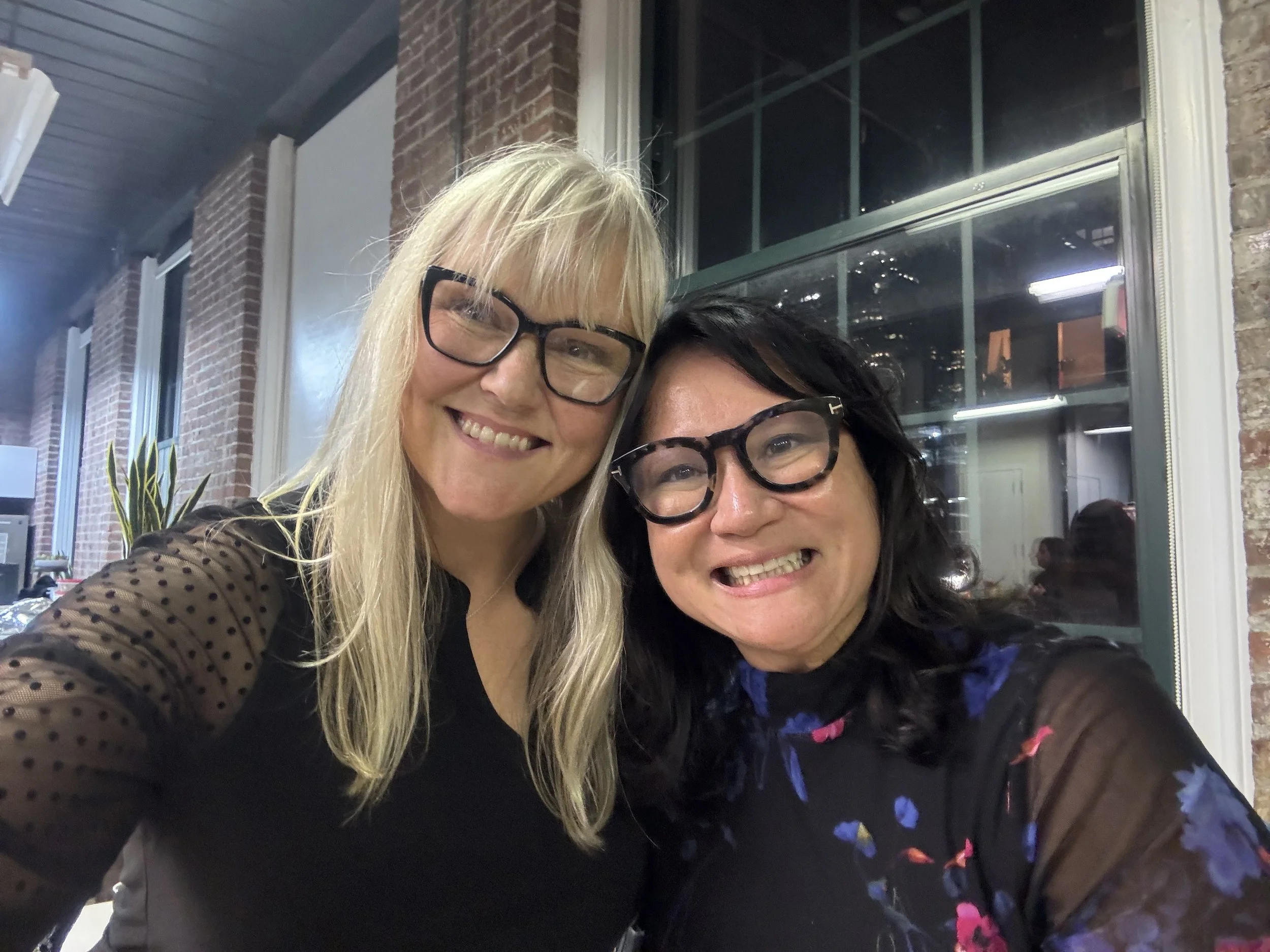

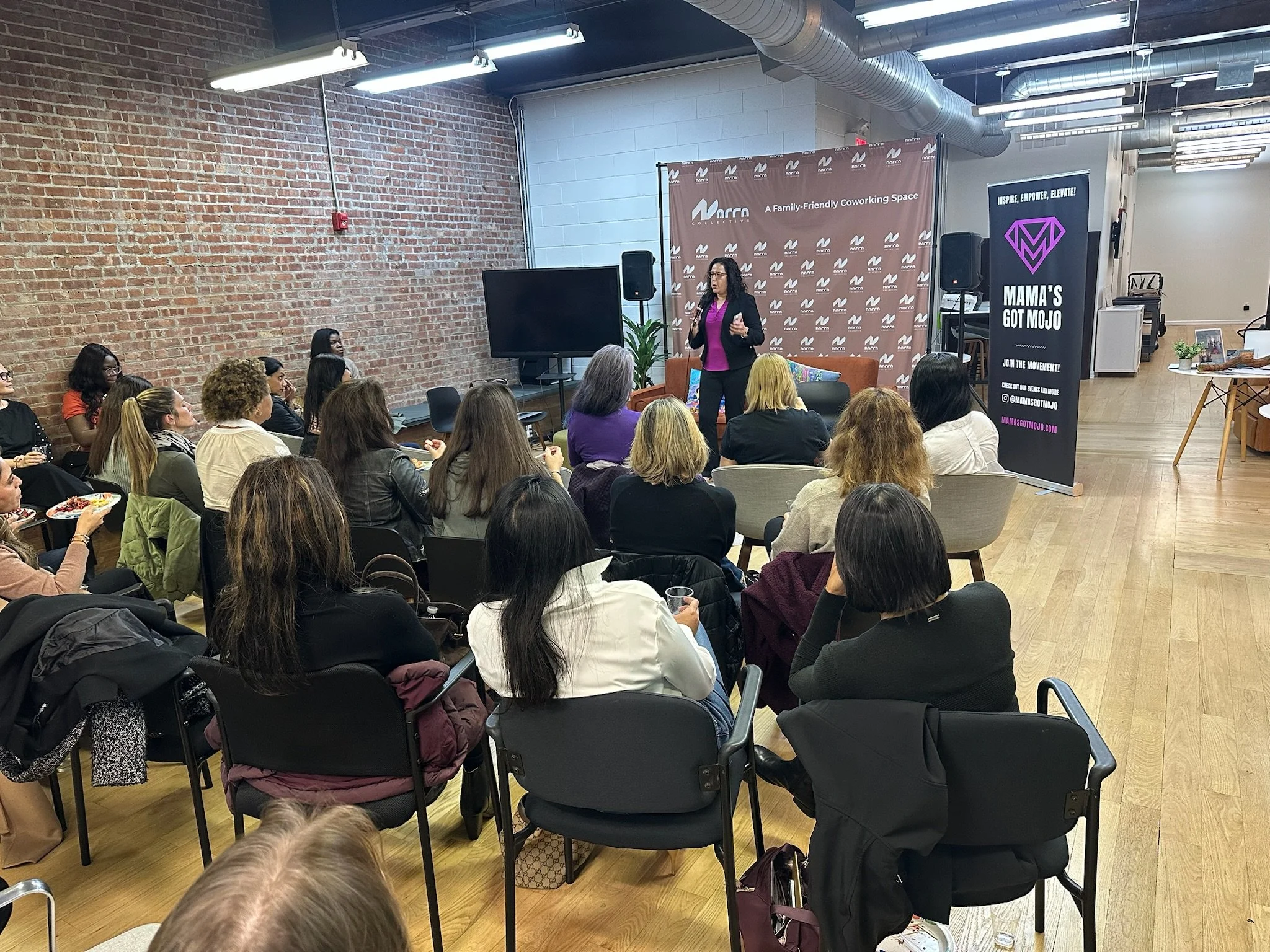

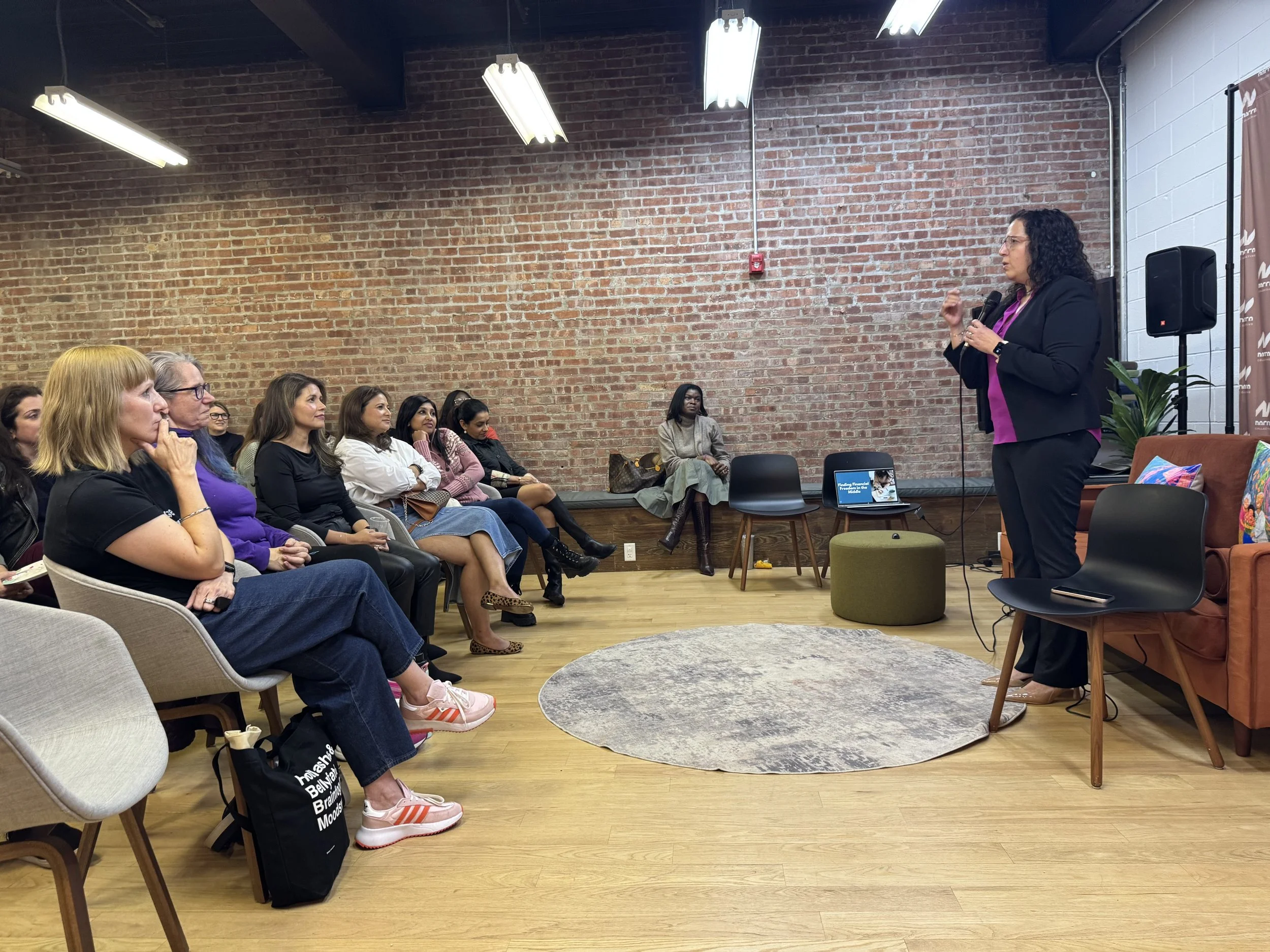
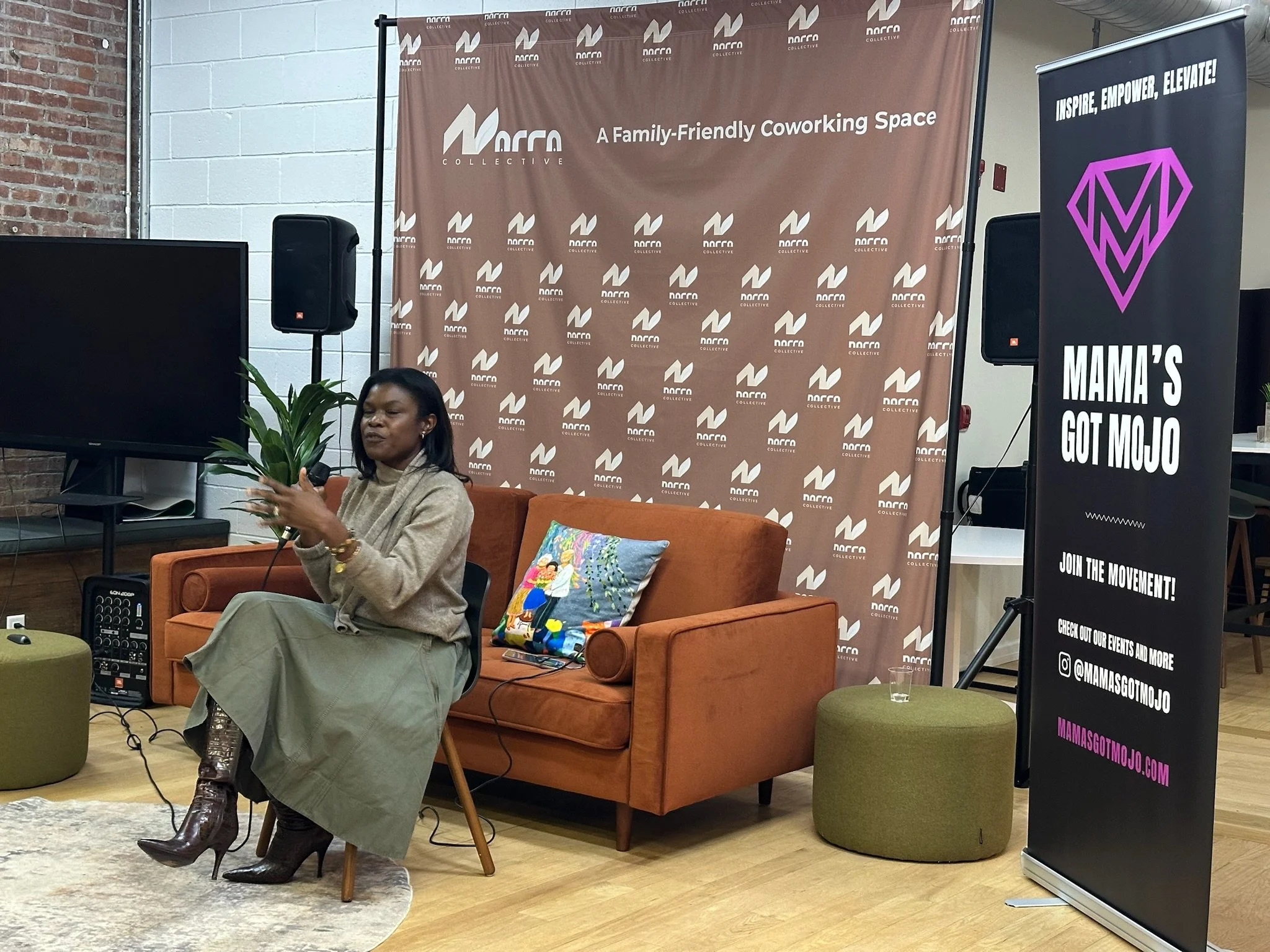




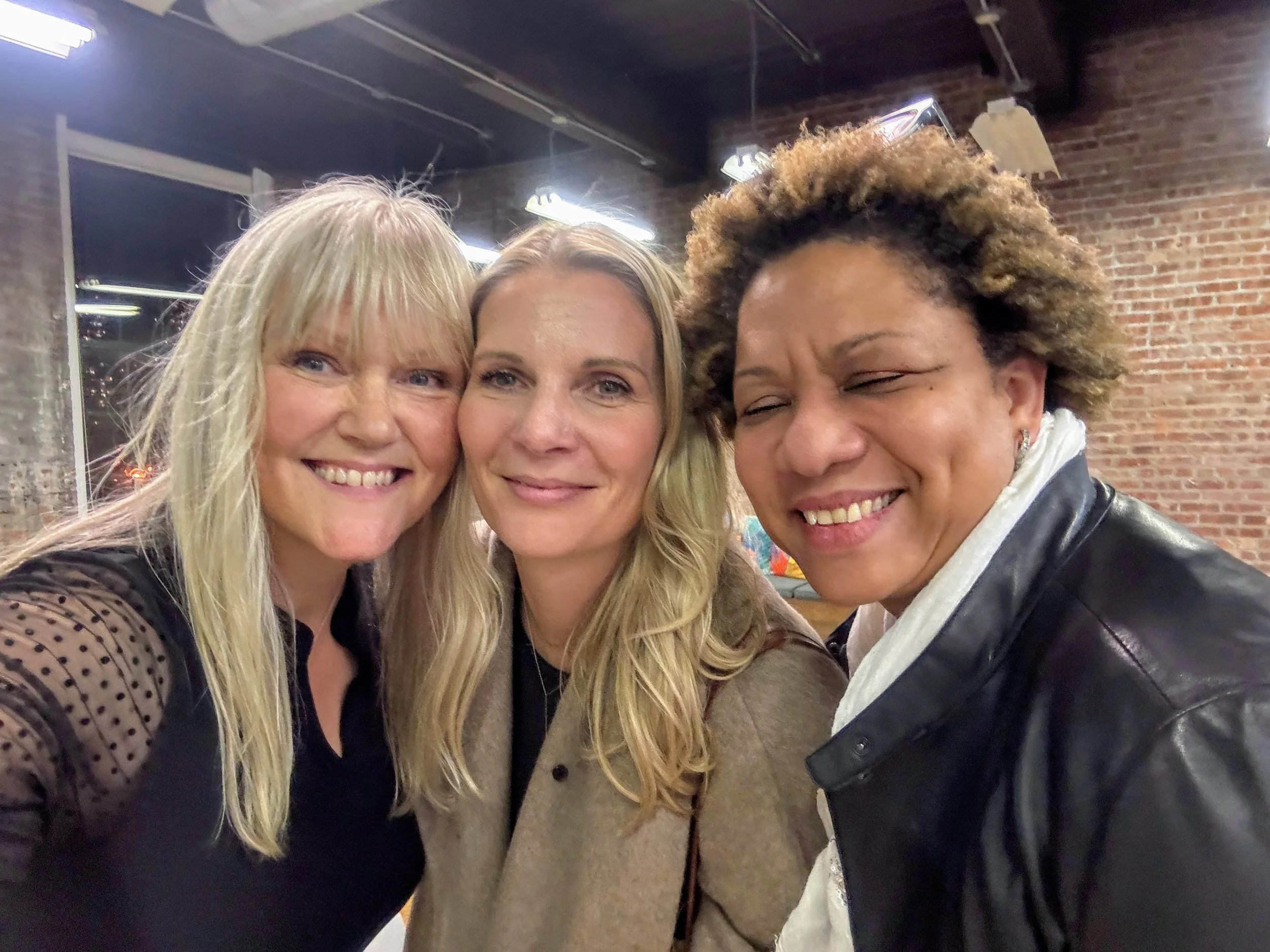

(Event Recap – October 23, Narra Collective, Jersey City)Our most recent event, Motherhood In The Middle, brought together more than 50 Jersey City moms for a real-life conversation about the sandwich generation - caring for aging parents while raising kids and teens in a digital world, navigating the hormonal storm of perimenopause and menopause, and trying to sustain careers, relationships, and finances along the way. Hosted at Narra Collective on October 23, the event created a safe and welcoming community space where moms could feel seen, heard, and supported in this complex season. Our speakers offered evidence-based tools, expert insights, and personal stories that had the room laughing, learning, tearing up, and exhaling together in relief.
The sandwich generation reality: Overloaded, Under-Supported, and Not Alone
(Keynote — Jody Smith, LCP / Clarity Counseling)
Jody Smith, LCP/Founder of Clarity Counseling, opened the evening by naming what so many women feel but rarely say out loud: the expectation that mothers can “balance it all” is not just unrealistic, it is gaslighting. Women are still the primary caregivers for aging parents in most families, and an estimated tens of millions of Americans are providing unpaid care for older relatives while also parenting and working, often remotely with limited control and constant worry. On top of that load sit hormonal shifts, teenagers and technology, relationship strain, and financial pressure, leaving many moms feeling like they are never doing enough for anyone.
Common themes that surfaced in the room included:
Chronic overwhelm, exhaustion, and guilt, especially around “not doing enough” for aging parents while trying to stay present with kids.
Perimenopause and menopause symptoms like sleep disruption, anxiety, depression, brain fog, and weight changes that make it harder to cope.
The impact on marriage, intimacy, and career when energy is constantly pulled toward caregiving.
The erosion of time for true self-care and in‑person friendships, even though strong social ties are consistently shown to protect women’s mental health.
Jody invited everyone to rethink self-care not as a luxury, but as a survival tool; “I have to put myself first to be able to take care of everybody else.” She also reminded us that community can be a lifeline, especially for women, time with female friends literally improves mental health.
Her grounding messages:
You deserve to be seen and heard.
You must take care of yourself to care for anyone else.
A few simple questions she offered:
What am I consuming today — emotionally and nutritionally?
How am I moving my body?
What do I need right now?
Caring for Aging Parents Without Burning Out
(Panel — Erin Burton, Parenting Coach)
Erin spoke to the emotional and logistical reality of becoming a parent to your parents, a profound role reversal that often comes with grief, anger, and confusion. To reduce crisis-driven decisions, she urged women to start conversations early, ideally when parents are in their 60s: What do they want for retirement? Is the house paid off? Do they hope to age in place or downsize? Who do they trust with medical decisions and finances?
Key tools Erin offered:
Ask early and often: Talk about retirement plans, housing, healthcare preferences, and end‑of‑life wishes before an emergency.
Map the caregiving team: If you have siblings, clarify who lives closest, who can manage finances or medical appointments remotely, and how you’ll share emotional as well as practical labor.
Get documents in order: Make a list of bank accounts, insurance policies, legal documents, passports, and property deeds, and ensure powers of attorney and health care proxies are in place.
She also highlighted the importance of boundaries and community. Caring for a parent while raising children means you are grieving the gradual loss of your original “safety net” while still being someone else’s. Learning to say no, letting go of guilt, and surrounding yourself with others in similar positions helps prevent burnout and resentment.
Raising Kids & Teens in a Digital World: Screens, Safety, and Mental Health
(Panel — Rebecca Bischoff, LCSW, Wildflower Therapy & Stephanie Arrington, LCSW, Heights Psychotherapy)
Rebecca Bischoff and Stephanie Arrington turned the spotlight to another major stressor for modern mothers: managing kids’ and teens’ digital worlds. Research has linked heavy social media and screen use with increased anxiety and depression, sleep disturbances, irritability, and body image struggles in adolescents, whose brains are still developing and less able to filter and process constant stimulation. For younger kids, overuse of screens is associated with disrupted sleep, reduced attention span, and more behavioral challenges, especially when screens are used to calm or distract rather than connect.
They emphasized:
Clear anchors for younger children: No screens before age two when possible, then roughly two hours of high‑quality content per day as a guideline—not a rigid rule, but a helpful frame.
Collaborative rules with teens: Instead of top‑down authoritarian limits, involve teens in setting screen expectations connected to family values (e.g., “We value sleep and connection”). Teens need about 8–10 hours of sleep; screens should be off at least 30 minutes before bed, devices stay outside bedrooms, and mealtimes are screen‑free to protect connection and reduce picky eating driven by distraction.
Active monitoring and curiosity: Let kids know upfront that you will be monitoring chat, social media, and gaming activity to keep them safe, and follow through consistently. Ask what apps they use, whether accounts are public or private, and what type of content and algorithms are reaching them.
They named specific risks—exposure to self‑harm content, extreme diet and fitness culture, “perfect” beauty standards, misogyny, and online grooming—and underscored the importance of building critical thinking skills. Parents can ask: How does this content make you feel? Does it seem real or manipulated? Could it be AI-generated? Helping teens fact‑check using reputable sources builds digital literacy. If a child is targeted, caregivers are encouraged to stay calm, block the account, remove the app if needed, and explain the steps taken rather than reacting with anger.
Rebecca and Stephanie also differentiated typical teen behavior from red flags that may indicate anxiety or depression:
“Expected” changes: Mood swings, more sleep, pushing for independence, caring more about friends than family time.
Concerning patterns: Persistent sadness, isolation, anxiety about school, loss of interest in favorite activities, appetite changes, rapid weight changes, sudden grade drops, aggression, headaches, risk-taking, school refusal, or statements like “I don’t like this life anymore.” In those cases, seeking a therapist or mental health professional is recommended.
Their biggest reassurance was that feeling unsure does not mean you are a bad parent. The ongoing work is to set family rules, stand your ground even when “everyone else” has a phone, and practice these conversations early and often around tech, curfews, money, and more.
Financial Health for Caregivers: Rewriting Money Stories
(Speaker — Debbie O’Hara, Money Coach & Financial Adviser)
Debbie O’Hara shared a deeply personal financial story that wove together caregiving, divorce from an abusive partner, credit card debt, and the cultural expectation in her Latinx background to care for her mother until the end. Her journey out of debt while supporting an aging parent illustrated how money beliefs can either keep us stuck or create freedom. Many of her clients, she noted, carry thoughts like “I’m always going to be in debt,” “I’m just not good with money,” or “I lose sleep over my finances,” which reinforce cycles of avoidance, overspending, and shame.
Debbie explained that:
Money is rarely taught in schools, so most people enter adulthood with no real financial literacy and a lot of inherited stress and secrecy around money.
Credit card and “buy now, pay later” systems are designed to keep consumers in debt, often hiding interest rates in fine print and raising limits to encourage more spending.
“Cash back” incentives can be another trap that encourages overspending for small rewards.
Her tools for shifting from avoidance to agency:
Track your spending for 30 days using a free app, focusing first on discretionary spending to reveal habits and triggers.
Open a high‑yield savings account and build a small emergency fund, even if the first step is modest.
Start investing basics: contribute to a Roth IRA if eligible and aim to maximize employer‑sponsored retirement plans like a 401(k) over time.
Notice your money stories and how they shape your choices; replacing “I’m bad with money” with “I’m actively learning to manage money” changes both behavior and emotional load.
Debbie framed financial health as another pillar of caregiving: taking care of your money is part of taking care of yourself, which ultimately supports your kids and your parents.
Menopause & Midlife Health: Understanding the Transition
(Speaker — Dr. Dineasha Potter-McQuilkin, GYN & Menopause Specialist)
Dr. Potter-McQuilkin, a mother of three boys and a caregiver to aging parents herself, brought a medical and deeply human lens to menopause and midlife health. She reminded the room that “menopause” medically refers to one day: the 12‑month anniversary of a person’s final menstrual period. Everything after that is postmenopause, and the transition leading up to it, perimenopause, can begin as early as the mid‑30s and commonly stretches into the early 50s.
She highlighted that by age 40, ovarian reserve has declined significantly, and symptoms can show up from head to toe: hair loss, dry mouth, heart palpitations, itchy ears, joint pain, frozen shoulder, night waking, mood shifts, and weight gain. Declining estrogen affects not only hot flashes and night sweats, but also brain function, mood, sleep, metabolism, and gut health. Some women may benefit from estrogen, progesterone, and in certain cases testosterone as part of a personalized hormone therapy plan.
Dr. Potter emphasized sleep as the first domino to address:
Aim for 7–9 hours of sleep, keeping a consistent bedtime and wake time.
Begin the “sleep cycle” in the morning: get natural light soon after waking, prioritize sunlight before screens, and place yourself in the brightest spot at home early in the day.
Exercise earlier in the day supports deeper sleep at night; avoid heavy meals and screens close to bedtime.
She also underscored:
Nutrition and movement: An anti‑inflammatory, nutrient‑dense diet with adequate protein, fiber, and complex carbohydrates supports hormone balance and can help counteract insulin resistance and cortisol-related weight gain.
Cardio and strength: At least 150 minutes of moderate‑intensity cardiovascular activity per week is associated with better heart health and reduced mortality from all causes, and resistance training supports bone density.
Stress management: Exercise releases serotonin and dopamine, which can partially offset declining estrogen. Practices like journaling, therapy, mindfulness, and community connection help manage the chronic stress so common in the sandwich generation.
On hormone replacement therapy (HRT), Dr. Potter addressed confusion stemming from earlier Women’s Health Initiative research, noting that more recent interpretations suggest most midlife women without specific contraindications good candidates for modern, bioidentical hormone therapy, particularly when started within a “window of opportunity” relatively close to the onset of menopause. Research suggests that initiating estrogen therapy within roughly 10 years of menopause can reduce risks for osteoporosis, heart and brain health, including potential reduction in risk for conditions like Alzheimer’s disease. The outdated fear-based messaging has done harm but treatment should always be discussed with a trusted and knowledgeable clinician first.
Other important points:
Lab work can be helpful for assessing micronutrients and thyroid function, but single hormone levels are less useful because they fluctuate.
Cholesterol often rises in midlife; healthy fats (mono- and polyunsaturated fats) remain important in a balanced diet.
Intimacy changes are both physical (vaginal dryness and pain) and emotional (mood, stress, body image), and many options from local estrogen to lubricants to counseling, can improve comfort and desire.
While many symptoms ease over time, postmenopause lasts for life, so ongoing health habits matter.
Dr. Potter also referenced data indicating that menopause symptoms are severe enough for some women to leave or reduce participation in the workforce, underscoring the need for medical support and workplace flexibility around this life stage.
Practical Tools to Support the Mental Load
Throughout the evening, the through-line was permission: to stop pretending the load is normal, to ask for help, and to build structures that support both women and their families. A few practical tools that resonated:
For caregiving parents:
Start money, health, and housing conversations early with aging parents.
Create a “family file” with key documents and contacts.
Share the load with siblings and trusted relatives, including remote tasks like billing or telehealth coordination.
For kids and tech:
Set clear, age-appropriate screen anchors and tech-free zones (bedrooms, dinner table, car rides, restaurants when possible).
Stay curious and involved in your teen’s digital life, and co-create rules tied to your family’s values.
Normalize mental health check-ins and seek professional support when behavior shifts persist.
For money and mental load:
Track your spending for at least 30 days to see patterns, then make one realistic change at a time.
Build even a small emergency fund and take advantage of retirement accounts.
Notice and gently challenge negative money narratives, replacing them with growth-oriented language.
For menopause and midlife health:
Prioritize sleep, movement, and nutrient-dense food as non-negotiables, not extras.
Discuss perimenopause and HRT with a clinician who specializes in midlife women’s health, especially if symptoms interfere with work or caregiving.
Protect time for joy, friendships, and community, because strong social connections are protective for both mental and physical health.
Full Hearts, Shared Load
As the evening closed, the room shifted from heavy to hopeful. The night ended on a celebratory note with giveaways including facials, massages, tees, totes, and more, a reminder that rest, pleasure, and being cared for also matter. Deep gratitude goes to our speakers, Narra Collective for hosting, Loveat for You for nourishing the crowd with a nutritious, menopause approved menu, and the moms who showed up, shared, and reminded each other that Motherhood In The Middle is hard, but it is not meant to be carried alone. We can care deeply for our children and advocate for our aging parents and still deserve space to breathe, laugh, and be supported ourselves.
At Mama’s Got Mojo, that is the heartbeat of everything we do: empowering moms in every season of motherhood - from the sweet early years to the complex middle - with community, clarity, and compassion.
If you were there with us at Narra Collective on October 23rd, thank you. You brought the magic. 🌟 Before you leave, we’d love your help to keep that energy flowing…
How you can help Keep the Momentum Going
Leave a review about your experience - your words help another mom find her way to us
Join our newsletter, so you’ll be the first to hear about new gatherings, support tools, and resources
Save the date - our next Motherhood In The Middle event is coming in February ( it’s going to be… so good )
We walked into the evening carrying a lot.
We walked out reminded that we don’t carry it alone.
Here’s to full hearts, shared load, and moms supporting moms - always. 💛